
View Monthly Specials

Click Here
Blog / Auto Financing Tips

Buy vs. Lease at Rath Auto NWA

Buy vs Lease | Used Cars in Springdale, AR | Rath Auto NWA
In the past, leasing a car was mainly done by luxury car shoppers and corporate customers, but this is no longer the case. If you're shopping for a new car, you may want to weigh the benefits of leasing before you take out a car loan or pay cash for a new model. Benefits of Leasing When you lease a vehicle, you'll leave the dealership behind the wheel of a brand-new model. The process is similar to buying a new car, although you'll typically have a lower monthly payment than what you would pay if you finance the entire purchase. When you take out a loan to buy a car, you'll need to get enough to cover the full purchase price minus any money you have to put down. On the other hand, the financing in a lease agreement covers the cost of the depreciation of the vehicle for the term, which is generally around three years. If you love having the latest vehicle, leasing could be a good option. When the lease term ends, you can bring the car back to the dealership and choose a new vehicle and enter into a new lease agreement. Leased vehicles are typically covered under the manufacturer's bumper-to-bumper warranty, so you don't have to worry about unexpected repair costs. Drawbacks of Leasing One of the drawbacks of leasing a vehicle is the fact that you're only paying down the value of the expected depreciation. At the end of the term, you can pay the residual value to keep the vehicle, but the monthly payments you've been making are essentially like a rental fee to drive the car for a set amount of time. Another issue that might come is that a lease term will have mileage restrictions, so you may not be able to drive as much as you want, or you'll end up having to pay extra at the end of the term. Benefits of Buying When you finance a vehicle, you'll own it outright as soon as you make the last payment on the loan. If you want to purchase a different vehicle, you can sell the car and put the money toward another model. People who prefer to keep their cars for longer periods of time will often benefit from buying instead of leasing since they'll have more to show at the end of the loan agreement. Additionally, you won't have any restrictions on normal usage of your car, even when you're still under the terms of your loan. You can drive as many miles as you want without having to pay anything extra. Drawbacks of Buying A new car's value will depreciate the most in the first few years, so when you buy the car, you'll have to take that financial hit. Changing market conditions could also impact what it's worth within just a few years. Some lenders require a significant portion of the loan as a down payment, so that could make it more difficult to qualify for a loan. As you decide whether to buy or lease your next vehicle, weigh the pros and cons to help you make a decision that works best for your financial situation and meets your needs.   Photo by free pictures of money| Licensed under cc by 2.0 
Posted in:

Related Posts

6 Keys to Getting Mitsubishi Financing Through Your Dealer

If you are looking to get financed for a new car, you are in luck. We want to share some tips with you that will help you get Mitsubishi financing through your friendly Mitsubishi dealer in Springdale, AR. Here are six keys to getting financed. more 6 Keys to Getting Mitsubishi Financing Through Your Mitsubishi Dealer 1. Understand Your Credit You can get access to a free credit report easily, and you should know your credit score before you get financed. You should be careful to attend to any mistakes you see on your credit report before you seek financing. This will help you get the best deal possible. However, if you have bad credit, don't be discouraged. Your dealer will be able to help you find an option that works best for you. 2. Bad Credit Isn't a Deal Breaker Even if you have bad credit, you can still get financed for a vehicle. Your lender will consider your income and your down payment too. Not only this, but you can also consider the value of your trade-in if you have one too. If you can lower your overall costs, then you might find it easier to get financed this way too. Just remember that you have options. 3. Consider the Down Payment Knowing that your down payment helps you in the process of getting approved for financing, consider how you can save up the money you might need for a down payment. You can talk to your dealer to get an idea about how much you might need that way you can explore your options with confidence. 4. Consider All the Costs Understand that in addition to the cost of the car there will be taxes and fees. Ensure that you are prepared to handle this too. You should also understand that aside from your monthly payments, there are other expenses that come with car ownership. Consider things like gas, insurance, and maintenance when you are thinking about how much you can afford. 5. Get a Pre-Approval Fortunately, you can fill out a financing application and get a pre-approval right at home. You should utilize this convenient service to get an idea about some of your options. Once you have done this, you can go into the dealership confidently. This will help you and your dealer look at options that are a great fit for you. 6. If You Have Any Questions or Concerns Reach Out Your Springdale, AR Dealer Today Rath Mitsubishi has a team of professionals that want to help you find the best solution for your needs. If you have any concerns, or if you are confused about something, reach out to your dealership's finance team with any questions. You can move forward confidently knowing that you have a team of professionals behind you. Now that you know the best tips for getting financing, you can focus on getting the right car for you. Contact us today at Rath Mitsubishi in Springdale, where we can help you find the best vehicle for you.

Mitsubishi Service FAQs What Services Are Part of Your Warranty Springdale AR

Mitsubishi Service FAQs: What Services Are Part of Your Warranty?

Mitsubishi employs top-quality manufacturing, quality control, and automotive engineering processes to produce trouble-free and enjoyable vehicles. However, quality does not eliminate the need for maintenance. Mitsubishi service is recommended to keep your car in the best condition possible. 8 Mitsubishi Services Covered in the Warranty 1. Corrosion Perforation Repair Mitsubishi covers the repairs or replacement when the metal panel body-sheet of your new vehicle develops corrosion from the inside, within 12 years from the warranty start date. The car should be properly maintained, and rusting must be due to defects in craft or material. The coverage does not apply if corrosion is caused by improper maintenance. more 2. Tire Change Tires sustain vehicle weight, transmit drive and braking force, control driving direction while turning or on straight roads, and absorb the vibration from the road. Buyers of new Mitsubishi vehicles are provided with free flat tire assistance within the first five years after purchase. 3. Lock Out Assistance Car lockouts are quite common. They happen even to the most diligent people. No need to panic if you accidentally lock your keys in your car as Mitsubishi provides reliable and professional lockout assistance. 4. Jump Starting It can be frustrating when your car's ignition fails to fire up, whether from a frozen fuel tank, worn-out spark plugs, failing alternator, a dead starter, or a weak battery. Luckily, the warranty includes 24/7 jump-starting service for five years. 5. Battery Change A car battery's main function is to start your car. Certain driving habits, low charge, and acid stratification can cause battery malfunction. Signs of a faulty battery include: Frequent jump-starting The engine cranking but does not start Electrical issues and dim lights Inconsistency; one day it starts fine and the next day it does not The warranty covers battery damage for the first two years, with an option for a third year or 62,500 miles after that. 6. Timing Belt and Powertrain Components Replacement The timing belt keeps the valves and pistons in ‘time' during operation. Its failure can cause serious internal engine damage, and the engine assembly might have to be replaced in severe cases. Mitsubishi covers damage to powertrain components like the timing belt for five years/60,000 miles from the warranty start date. 7. Transmission Repair The transmission system transfers power created in the engine to the wheels. Transmission repair is one of the most important maintenance practices due to the need for good transmission performance. Transmission repair is covered except for damage caused by the addition of faulty parts or the use of services not prescribed by the warranty manual. 8. Towing Service If your car runs out of gasoline, the engine overheats or fails to start; towing services might come in handy. Mitsubishi owners can enjoy a 24/7 roadside assistance service that includes towing to the nearest maintenance point. Mitsubishi offers an extensive service warranty, ensuring that you get high-quality repair and maintenance from your authorized Mitsubishi dealership. To benefit from the services covered in the warranty, contact Rath Mitsubishi in Springdale, AR.

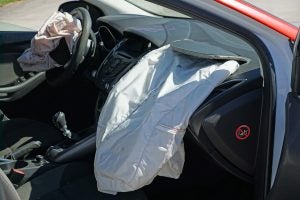
collision air bags deployed

5 Types of Auto Coverage You Can't Do Without

Owning a car comes with a lot of responsibility. One of the most important responsibilities is getting car insurance. The big question is how much insurance do you need and what you should make sure is covered. There are some factors you should keep in mind when considering what coverage is essential and what you might not need. These are some of the types of auto coverage and why they are essential. 1. Liability Coverage for Bodily Injury The most important coverage to carry is your state's minimum liability insurance. This type of insurance covers other drivers on the road for damage and injury that you cause. Each state has laws for the amount of liability insurance you need to carry. more If you don't carry the minimum and you get into an accident, you run the risk of losing your driver's license and you can face large financial penalties. If you are found to be at fault for an accident, you will most likely be responsible for covering the cost of the damage that you caused. You should also carry enough liability coverage to protect your assets if you cause an accident. 2. Property Damage Coverage for property damage is also important to carry and usually comes along with liability insurance. This insurance covers damage to other people's property. It would cover a car that you hit or even damage to city property, such as a guardrail. The amount of property damage covered is the amount listed in your policy, so keep in mind that the state minimum might not be enough to protect you if you cause a serious accident. 3. Collision Coverage Collision insurance covers the cost of repairing your own car after an accident. The amount that you carry depends on the value of your vehicle. When adding this insurance to your policy, you need to determine what you want your deductible to be. This is the amount you have to pay before insurance pays to get your vehicle repaired. Collision coverage is necessary if you have a new car, but it is less critical as the value of your car declines. If you drive a vehicle that is only worth a few thousand dollars and have a large deductible, it might not make sense to carry it. 4. Comprehensive Coverage Comprehensive insurance covers damage to your car that is not the result of a collision, such as a fire or damage when a thief breaks in. Comprehensive coverage also has a deductible, so consider what you can pay out of your own pocket. 5. Rental Insurance Rental insurance will cover the cost of a rental car while yours is in the shop after an accident. This type of insurance usually only adds a few dollars to your premium, and will help with the expense of renting a car when you need it. When deciding how much coverage you need, consider the daily rental rate for a vehicle that is comparable to the one you have. While certain types of auto insurance are required, there are other coverages you might be able to do without depending on your vehicle. Image via Pixabay.com