
View Monthly Specials

Click Here
Blog / Auto Financing Tips

Blog

All Auto Financing Tips Things to do Near Springdale AR Kids' Activities in Springdale AR Auto Care Tips Buying a Used Car Springdale Mitsubishi Dealer Outdoor Activities Near Springdale, AR Best Used Vehicles Places to Eat in Springdale AR Parks Near Springdale, AR Springdale Mitsubishi Service Mitsubishi Outlander Historic Places in Springdale Mitsubishi Eclipse Mitsubishi Mirage Seasonal Activities Shopping Near Springdale, AR 2025 Model Year Mitsubishi Outlander Sport 2025 Mitsubishi Eclipse Cross Mitsubishi Outlander PHEV 2025 Mitsubishi Outlander 2026 Mitsubishi Eclipse Cross SUV 2025 Mitsubishi Outlander PHEV Mitsubishi Mirage G4 Mitsubishi service Rath Community Involvement

What's Included in Mitsubishi's Extended Warranty?

Mitsubishi automobiles are known for exceptional reliability, ranked 6th out of 32 manufacturers by RepairPal for low projected and reported annual maintenance costs. With a reputation for dependability and a top-tier manufacturer warranty on every new vehicle from your authorized Mitsubishi dealer, peace of mind is the name of the game. Put any other concerns to bed with an extended warranty to get every last mile out of your car. more The Diamond Care Protection Extended Warranty, Available from Your Mitsubishi Dealer With a Diamond Care Protection package, the bumper-to-bumper factory coverage on your new Mitsubishi can now be upgraded with up to fifteen different levels of year/mileage extension, for a possible maximum of 10 years and 120,000 miles, effectively doubling the life of the original warranty. There are three tiers of service contract available, and most vehicles less than 10 years old and with fewer than 100,000 miles on the odometer are eligible. The Powertrain Package Covering 620 different components, the Powertrain warranty offers effective coverage of the engine, transmission, and drive axle. This package applies to hybrid and electric vehicles as well, but does not cover high-capacity battery replacement. The Deluxe Package This upgrade to the Powertrain warranty provides comprehensive coverage of your engine, transmission, and drive axle, and adds effective coverage for brakes, the electrical and fuel systems, steering, suspension, climate control, and body/interior, for a combined total of 1,334 warranties components. The Supreme Package This full-bodied, top-of-the-line service contract adds advanced driver assistance systems and the onboard infotainment panel to the coverage offered in the Deluxe plan, with comprehensive coverage of each of the 2,026 parts that can be serviced or replaced. Bonus Features Zero Payment Service Visits While a competitively affordable deductible may accompany the cost of some services, you pay nothing beyond that at the time of your appointment if your vehicle is in need of a warrantied repair or replacement. 0% Consumer Payment Arrangements Financing your extended coverage is easier than ever, offering convenient payment options, terms tailored to fit your budget, and no credit check required. Customer Service Features on All Plans Along with your extended coverage, all Diamond Care Protection packages feature nationwide 24/7/365 emergency roadside assistance, towing reimbursement, car rental allowance, trip interruption reimbursement, and excellent customer service. Anybody who has been to a mechanic recently knows that the rising cost of repairs isn't slowing down any time soon. With a Diamond Care Protection Plan, Mitsubishi owners can rest assured that the same exceptional warranty that they get from the factory will keep on giving for miles to come. Speak with one of our warranty specialists today at Rath Mitsubishi, located in Springdale, AR, and we'll get you covered.

6 Keys to Getting Mitsubishi Financing Through Your Dealer

If you are looking to get financed for a new car, you are in luck. We want to share some tips with you that will help you get Mitsubishi financing through your friendly Mitsubishi dealer in Springdale, AR. Here are six keys to getting financed. more 6 Keys to Getting Mitsubishi Financing Through Your Mitsubishi Dealer 1. Understand Your Credit You can get access to a free credit report easily, and you should know your credit score before you get financed. You should be careful to attend to any mistakes you see on your credit report before you seek financing. This will help you get the best deal possible. However, if you have bad credit, don't be discouraged. Your dealer will be able to help you find an option that works best for you. 2. Bad Credit Isn't a Deal Breaker Even if you have bad credit, you can still get financed for a vehicle. Your lender will consider your income and your down payment too. Not only this, but you can also consider the value of your trade-in if you have one too. If you can lower your overall costs, then you might find it easier to get financed this way too. Just remember that you have options. 3. Consider the Down Payment Knowing that your down payment helps you in the process of getting approved for financing, consider how you can save up the money you might need for a down payment. You can talk to your dealer to get an idea about how much you might need that way you can explore your options with confidence. 4. Consider All the Costs Understand that in addition to the cost of the car there will be taxes and fees. Ensure that you are prepared to handle this too. You should also understand that aside from your monthly payments, there are other expenses that come with car ownership. Consider things like gas, insurance, and maintenance when you are thinking about how much you can afford. 5. Get a Pre-Approval Fortunately, you can fill out a financing application and get a pre-approval right at home. You should utilize this convenient service to get an idea about some of your options. Once you have done this, you can go into the dealership confidently. This will help you and your dealer look at options that are a great fit for you. 6. If You Have Any Questions or Concerns Reach Out Your Springdale, AR Dealer Today Rath Mitsubishi has a team of professionals that want to help you find the best solution for your needs. If you have any concerns, or if you are confused about something, reach out to your dealership's finance team with any questions. You can move forward confidently knowing that you have a team of professionals behind you. Now that you know the best tips for getting financing, you can focus on getting the right car for you. Contact us today at Rath Mitsubishi in Springdale, where we can help you find the best vehicle for you.

Mitsubishi Service FAQs What Services Are Part of Your Warranty Springdale AR

Mitsubishi Service FAQs: What Services Are Part of Your Warranty?

Mitsubishi employs top-quality manufacturing, quality control, and automotive engineering processes to produce trouble-free and enjoyable vehicles. However, quality does not eliminate the need for maintenance. Mitsubishi service is recommended to keep your car in the best condition possible. 8 Mitsubishi Services Covered in the Warranty 1. Corrosion Perforation Repair Mitsubishi covers the repairs or replacement when the metal panel body-sheet of your new vehicle develops corrosion from the inside, within 12 years from the warranty start date. The car should be properly maintained, and rusting must be due to defects in craft or material. The coverage does not apply if corrosion is caused by improper maintenance. more 2. Tire Change Tires sustain vehicle weight, transmit drive and braking force, control driving direction while turning or on straight roads, and absorb the vibration from the road. Buyers of new Mitsubishi vehicles are provided with free flat tire assistance within the first five years after purchase. 3. Lock Out Assistance Car lockouts are quite common. They happen even to the most diligent people. No need to panic if you accidentally lock your keys in your car as Mitsubishi provides reliable and professional lockout assistance. 4. Jump Starting It can be frustrating when your car's ignition fails to fire up, whether from a frozen fuel tank, worn-out spark plugs, failing alternator, a dead starter, or a weak battery. Luckily, the warranty includes 24/7 jump-starting service for five years. 5. Battery Change A car battery's main function is to start your car. Certain driving habits, low charge, and acid stratification can cause battery malfunction. Signs of a faulty battery include: Frequent jump-starting The engine cranking but does not start Electrical issues and dim lights Inconsistency; one day it starts fine and the next day it does not The warranty covers battery damage for the first two years, with an option for a third year or 62,500 miles after that. 6. Timing Belt and Powertrain Components Replacement The timing belt keeps the valves and pistons in ‘time' during operation. Its failure can cause serious internal engine damage, and the engine assembly might have to be replaced in severe cases. Mitsubishi covers damage to powertrain components like the timing belt for five years/60,000 miles from the warranty start date. 7. Transmission Repair The transmission system transfers power created in the engine to the wheels. Transmission repair is one of the most important maintenance practices due to the need for good transmission performance. Transmission repair is covered except for damage caused by the addition of faulty parts or the use of services not prescribed by the warranty manual. 8. Towing Service If your car runs out of gasoline, the engine overheats or fails to start; towing services might come in handy. Mitsubishi owners can enjoy a 24/7 roadside assistance service that includes towing to the nearest maintenance point. Mitsubishi offers an extensive service warranty, ensuring that you get high-quality repair and maintenance from your authorized Mitsubishi dealership. To benefit from the services covered in the warranty, contact Rath Mitsubishi in Springdale, AR.

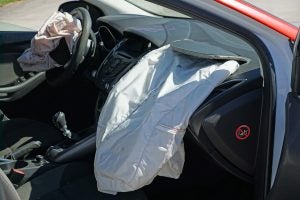
collision air bags deployed

5 Types of Auto Coverage You Can't Do Without

Owning a car comes with a lot of responsibility. One of the most important responsibilities is getting car insurance. The big question is how much insurance do you need and what you should make sure is covered. There are some factors you should keep in mind when considering what coverage is essential and what you might not need. These are some of the types of auto coverage and why they are essential. 1. Liability Coverage for Bodily Injury The most important coverage to carry is your state's minimum liability insurance. This type of insurance covers other drivers on the road for damage and injury that you cause. Each state has laws for the amount of liability insurance you need to carry. more If you don't carry the minimum and you get into an accident, you run the risk of losing your driver's license and you can face large financial penalties. If you are found to be at fault for an accident, you will most likely be responsible for covering the cost of the damage that you caused. You should also carry enough liability coverage to protect your assets if you cause an accident. 2. Property Damage Coverage for property damage is also important to carry and usually comes along with liability insurance. This insurance covers damage to other people's property. It would cover a car that you hit or even damage to city property, such as a guardrail. The amount of property damage covered is the amount listed in your policy, so keep in mind that the state minimum might not be enough to protect you if you cause a serious accident. 3. Collision Coverage Collision insurance covers the cost of repairing your own car after an accident. The amount that you carry depends on the value of your vehicle. When adding this insurance to your policy, you need to determine what you want your deductible to be. This is the amount you have to pay before insurance pays to get your vehicle repaired. Collision coverage is necessary if you have a new car, but it is less critical as the value of your car declines. If you drive a vehicle that is only worth a few thousand dollars and have a large deductible, it might not make sense to carry it. 4. Comprehensive Coverage Comprehensive insurance covers damage to your car that is not the result of a collision, such as a fire or damage when a thief breaks in. Comprehensive coverage also has a deductible, so consider what you can pay out of your own pocket. 5. Rental Insurance Rental insurance will cover the cost of a rental car while yours is in the shop after an accident. This type of insurance usually only adds a few dollars to your premium, and will help with the expense of renting a car when you need it. When deciding how much coverage you need, consider the daily rental rate for a vehicle that is comparable to the one you have. While certain types of auto insurance are required, there are other coverages you might be able to do without depending on your vehicle. Image via Pixabay.com

cadillac suv

Get the Facts About 4 Used Car Myths

Almost everyone who shops for a car has to decide if they want to buy new or used. If you are in the market for a vehicle, it is in your best interest to make sure you have the correct information about used cars. There are many misconceptions about pre-owned vehicles, and they can cause drivers to turn away from the option when it might be in their best interest. Get the facts about these used car myths. 1. Used Cars Cost More to Maintain In the current market, it is highly unlikely that you would find a used car at a dealership that needs a lot of work. Manufacturers build cars to last longer than they ever have before, so when you buy a used car, you can expect that it will last you for a long time. Even a vehicle that has close to 100,000 miles, it still has a good 100,000 miles to go. If you buy a used car with a clean record and good history of maintenance, and you take care of it, you can count on its reliability for years to come. more 2. Used Cars Don't Have the Important Safety Features Unless you buy a much older vehicle, it will have the critical safety features you need. You can count on getting air bags, anti-lock brakes, and more, even in older used cars. Many late-model used cars these days even have the latest advanced safety features such as a rearview camera and parking sensors. You can also get automatic braking and more if you buy a pre-owned vehicle that is only a few years old. 3. A New Car Is A Better Investment Some drivers think that a new car is a better investment because it is brand new. A new car loses 20% of its value within the first year. After five years, it loses 60% of its value. If you buy a used car with low mileage, you actually make a better investment than when you buy a car new. In addition to paying less for a vehicle, you'll also save on registration fees, and maybe even have lower insurance premiums. 4. Used Car Shopping Is a High-Pressure Process Before buyers even start the process, they often think that going into a used car dealership will put them in a high-pressure situation. In most dealerships, this is not the case. Even if you find a car that you like, you never have to feel like you will miss out on a deal if you don't make a decision right away. Used car dealerships always have good deals. If you miss out on one vehicle, you can usually go back again the next day or the next week and find something just as good. Getting the facts about these used car myths will help you to make an informed decision when you need to buy a vehicle. If you do your research and go in with the correct information, you can get the used car of your dreams. Image via Pixabay.com

Nissan Armada V8

How to Get a Good Deal on a Used Car

Making the choice to buy a used car instead of a new one can be a sound financial decision. There are several benefits to purchasing a used vehicle such as lower insurance and registration costs, and a lower overall cost to purchase. If you think you're going to purchase a used car as your next vehicle, take a look at our guide below on how to get your best deal. Research the Market and the Cars You're Interested In In order to ensure you're getting a great deal for a used car, you'll have a bit of homework to do. Make sure you research the market value for cars you're considering in your area. This will give you a good insight into what a fair deal would be when you get to the dealership. Another thing to research is the models you're specifically interested in. Some models are known for having issues or component failure around certain high mileage benchmarks. This is to be expected since cars are machines and they will wear down over time. more Remember to research the trim levels available as well to have a firm understanding of which features are available. When shopping for used cars, you don't typically have the freedom of choice when it comes to available trims. The highest trim levels will likely cost more but they're also more likely to have more technology included. If you can find a higher trim level at a rate that's closer to the lower trims, it can be a huge win if the price is right. Understand Depreciation Cars will always lose value with time. There are a few periods of time when a car will depreciate quickly over time. For example, cars lose 10% of their value right after they leave the lot, another 20% after a year, and a total of 40% of their value after three years. As a buyer, look to take advantage of these depreciation averages to get the best deal. Buy cars shortly after the first or third year mark for the largest discount. At that time, the vehicle is also likely still under the manufacturer's warranty, which is a nice bonus. Pay Attention During Your Test Drive It goes without saying that you should test drive any vehicle you plan to purchase. When test-driving a used vehicle, try to be more aware of different sounds in the vehicle. This can be your first alert to any maintenance needs that might be coming down the road if you choose that vehicle. Many guides will advise you to leave the radio off during your test to listen for these potential issues, however, the radio is something which is used every day by drivers, so be sure to test the speakers out as well. Purchasing a used car has several benefits which make it an appealing option. Understanding the market and how cars depreciate over time can give you an edge when shopping for a new car. If you're interested in purchasing a new-to-you car this year, stop by the dealership or check out our online inventory. Image via Flickr by SoulRider.222

used car lot

5 Tips for Getting the Best Deal on a Used Car

Used cars are amazing values if you do your homework first. These tips will help you navigate the used-car-buying process and score you a deal you'll be excited about. 1. Know Your Budget How much can you afford ... comfortably? You're not looking for the biggest possible number. When establishing your budget, keep in mind how much you can afford. Factor in something for maintenance unless you're planning on buying a used car with a warranty. more 2. Decide Upon Your Must-Haves Consider your needs so you can begin narrowing down the cars. Many times with used cars, buyers can afford more than they could with a new model. They can get so excited about the options that they get swept away. However, if you know what you want and need, this is less likely to happen. Need room for sports equipment or camping gear? Looking for reliable gas mileage? Knowing what you want before you fall in love with a car will help you make a wise decision. 3. Decide on a Car or Let Fate Decide Used car shopping has changed a lot with the internet. Now you can research what's available without strolling lots. You can decide based on inventory exactly what manufacturer, make, and model you want. Then you can contact the dealership and arrange a test drive. Or you can leave it up to chance and visit the lot to view inventory. Both have benefits. Researching online means you can find out about the car ahead of time. Research important things like maintenance costs, insurance, reliability rating, value for your area, and a lot more. However, viewing inventory in person means you will see the most up-to-date cars available. Sometimes vehicles are on the lot before they've been added to the dealership's online inventory. You can score a good vehicle by physically being present before it goes on the web. That's why knowing what you want ahead of time can help you recognize a good deal quickly. 4. Check the Vehicle History Report Once you find a car you like, get in. Take a test drive. Imagine yourself behind the wheel. But before you do all of those fun parts, take a look at the vehicle history report. A vehicle history report will give you all the important details that can help you make a smart buying decision like info on past ownership, accident history, title status, and mileage. 5. Negotiate a Good Deal There are books written about how to do this but ideally, you would be well-equipped with your research. You would know what similar cars go for in your area and the value of the car. Don't look at monthly payments as much as the total cost of the car. Also, think of other bonuses the dealer may give you that could save you money like warranties or free oil changes. Finally, work with a straightforward dealer; one like Rath Auto Resources, that's looking forward to building a relationship with you, not someone who's just looking for a one-time sale. Image via Flickr by Foot Slogger

used vehicles

5 Steps to Take Before Buying a Used Car

Buying a used car is a smart move financially. However, it's critical to avoid impulsively buying a car that will give you problems for years to come. Whether you are buying a used car from a dealership or private individual, having knowledge and resources will help you make a wise and informed choice. Here are five steps you as a buyer need to follow to make a good decision. 1. Decide What You Are Looking For The first step is to take some time and list what you want and need from a car. For example, do you want a big or small car, what features do you need, and how many seats must it have? Now research which cars fit your description and check their prices. more Avoid merely walking into a car dealership and browsing. Salespeople are highly trained and will put pressure on you to buy right there and then. First, decide what you are looking for before visiting a dealership. Check the classifieds and different dealerships online to get an idea of what is available and the going price of the type of car you want. 2. Work out Your Finances Now that you know what you are looking for, it is time to work out your budget. Be realistic about what you can afford and stick to that budget. Remember to include costs for the car inspection and any repairs that may be necessary. Set a price range, which will help you narrow down your search. If you need to borrow money to cover the purchase, get a couple of quotes from various lenders for the most affordable loan. 3. Carfax Now that you have decided on the type of car you want and your price range, you may find a car that seems to tick all the boxes. But, before actually buying the car, check the Carfax report. This report gives you the history of the car, such as whether it has been in an accident or had other worrisome things happen to it. Certain dealerships run this report for you, but if they don't or you are buying from a private seller, it is very wise to run the report yourself before making a commitment. 4. Test Drive the Car This is probably the most important step - how does the car drive? Test drive the car in different situations such as up and down steep hills and on the highway. Don't be afraid to say no to the car if there is anything that you are not happy with. 5. Have the Car Inspected Take the car to a trustworthy mechanic for an inspection. He or she will be able to check the car for mechanical problems.  Don't skip this step just because the seller claims that the vehicle is in good running condition with no mechanical faults. Verify it yourself. By following these five tips, you can find a great car that will keep you on the road for many miles and years ahead. Image via Flickr by ronsaunders47

Used Car Red Flags - Rath Auto Resources NWA

Important Used Car Red Flags

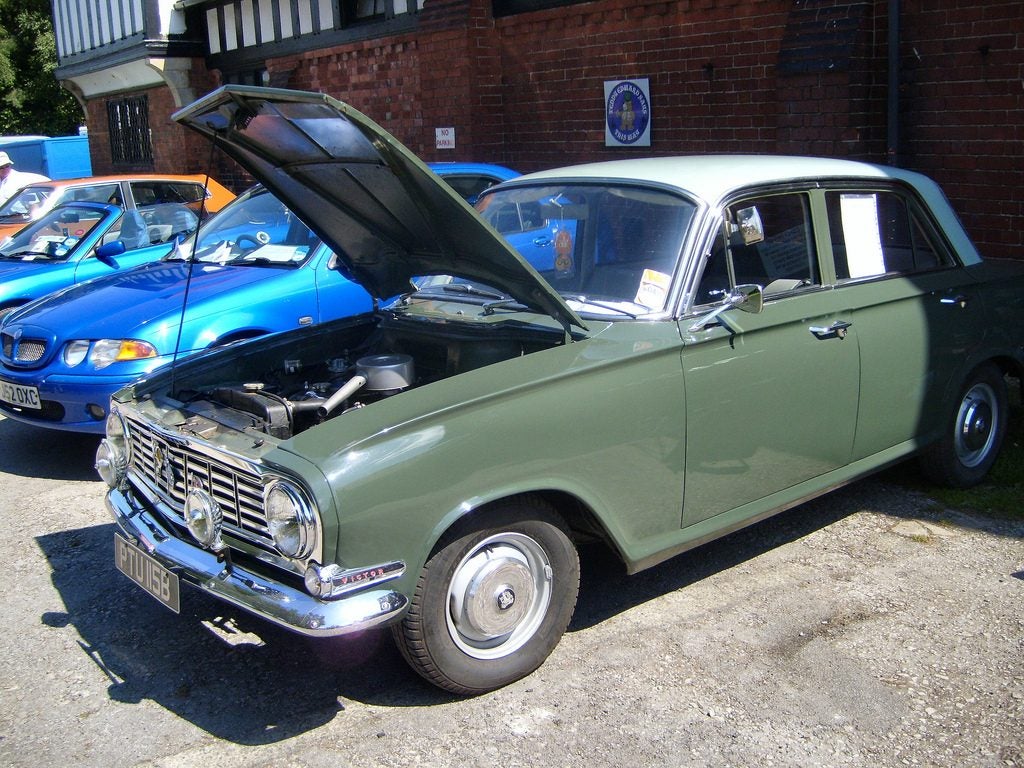
There are a lot of excellent used cars out there, but it is important to take a good look at them before buying to make sure it is in good shape. When you shop for a used car, the goal is to find one that performs well and is within your budget. Just remember that your budget should include maintenance, operating costs, and even warranties if you can. Take a look at these important used car red flags to look for. Oil Stains Under the Car Take a peek under the car to see if there are any oil or other fluid stains. If the car has recently been moved, ask where it was previously parked and take a walk over to check the ground. If you see oil stains, it could mean there is a significant mechanical issue. You should have the car inspected by a mechanic to make sure everything is in good working order before making a purchase. more Check The VIN Always check the VIN number on the vehicle against the VIN on the title to make sure they match. You'll find the VIN right at the base of the windshield on the driver's side, or in the doorjamb. If the VINs don't match there is a problem and you should walk away from the sale. Check The Interior Take a good look inside the car's cabin to make sure all the colors match and check for any strange smells. If it has an unusual odor, it could indicate a problem. A lingering smoky smell probably means that the previous owner was a smoker which you can fix, but if there is a sour smell or a moldy smell, it could indicate that the vehicle was either in a flood, or it has some kind of water damage. No Service Records A big red flag to watch out for is a car that doesn't have any record of regular service and maintenance. Routine oil changes and major mileage services are important to the life of a vehicle. Always ask the seller or dealership for the service records so you can check its maintenance history. Title Issues When you check the history of the vehicle, make sure to look for any problems on the car's record. A title history will show any kind of previous damage from hail to water and fire. Most of these issues are an obvious red flag, but issues that you should always avoid include flood damage and a salvage title. A salvage title means an insurance company declared the car a total loss because of damage. Junk titles are also a red flag because they mean the car is not safe to drive. Make sure to look at a used car carefully before buying. A reputable dealer will have good, safe cars available, but you'll still want to do your homework to make sure you get something that will last you a long time. Photo by RL GNZLZ | Licensed under cc BY-SA 2.0

Reasons to buy a Used Car in Springdale, AR | Rath Auto Resources NWA

4 Reasons to Buy a Used Vehicle

It's likely that your car is one of the most expensive purchases of your entire lifetime. For the majority of people, it rates right up there with buying a new house or even paying for college. A brand-new car is wonderful. It smells fresh, clean, and new. Still, some people prefer to buy a car that's been gently used. There are many good reasons to buy a used car instead of a brand-new one, and most of the reasons involve saving money. From less sticker shock to cheaper insurance and less depreciation, sometimes buying a gently used car just makes good sense. Rath Autos Resources NW realizes that every customer's situation is different. So, if you're trying to choose between buying a new car or a used one, we are happy to help. These are four reasons to buy a used vehicle. Slower Depreciation Many new cars depreciate about 10 percent during the first year of ownership. That's in addition to the initial “drive-it-of-the lot” depreciation. That can add up quickly. Buying a used car instead of a new one helps you eliminate such rapid depreciation. Sometimes it's hard to find a 1-year-old car, but often 2 and 3-year-old gently used vehicles are easier to locate. more The Price is Lower A used car will always initially cost less than a new one. Although it's a thrill to buy a new car, and we hope everyone will experience it at least once in their lifetime, it's not unusual for a new car to lose thousands of dollars in value when you drive it off the lot for the first time. This is the reason why you can buy a 2007 Porsche for approximately the price of a 2014 Toyota Camry. Someone probably purchased that brand-new Porsche for over $60,000, but now it costs about half of the original price. Fewer Sales Tax Before you buy a new car, don't forget to calculate the cost of sales tax in your state and county. Some states charge sales tax on new cars but not used ones. Sometimes the cost of sales tax can be thousands of dollars, so look into it ahead of time and budget accordingly. Lower Insurance Costs The main determining factor of the cost of car insurance is the replacement value of the vehicle. Since a used car is worth less than a new one, insurance is generally less as well. Also, you can sometimes save even more money by dropping some of the coverage — like collision or theft — once a vehicle's value declines to a certain point. Purchasing a car is a big investment. You have a lot of options, and we're here to help you decide what is right for you. Fortunately, we have a lot of great financing options and a wide array of both new and used cars. So, come into the showroom, have a look around, and take a vehicle or two out for a test drive. Photo by CC-BY-CarImages | Licensed under cc by- sa 2.0

Buy vs Lease | Used Cars in Springdale, AR | Rath Auto NWA

Buy vs. Lease at Rath Auto NWA

In the past, leasing a car was mainly done by luxury car shoppers and corporate customers, but this is no longer the case. If you're shopping for a new car, you may want to weigh the benefits of leasing before you take out a car loan or pay cash for a new model. Benefits of Leasing When you lease a vehicle, you'll leave the dealership behind the wheel of a brand-new model. The process is similar to buying a new car, although you'll typically have a lower monthly payment than what you would pay if you finance the entire purchase. When you take out a loan to buy a car, more you'll need to get enough to cover the full purchase price minus any money you have to put down. On the other hand, the financing in a lease agreement covers the cost of the depreciation of the vehicle for the term, which is generally around three years. If you love having the latest vehicle, leasing could be a good option. When the lease term ends, you can bring the car back to the dealership and choose a new vehicle and enter into a new lease agreement. Leased vehicles are typically covered under the manufacturer's bumper-to-bumper warranty, so you don't have to worry about unexpected repair costs. Drawbacks of Leasing One of the drawbacks of leasing a vehicle is the fact that you're only paying down the value of the expected depreciation. At the end of the term, you can pay the residual value to keep the vehicle, but the monthly payments you've been making are essentially like a rental fee to drive the car for a set amount of time. Another issue that might come is that a lease term will have mileage restrictions, so you may not be able to drive as much as you want, or you'll end up having to pay extra at the end of the term. Benefits of Buying When you finance a vehicle, you'll own it outright as soon as you make the last payment on the loan. If you want to purchase a different vehicle, you can sell the car and put the money toward another model. People who prefer to keep their cars for longer periods of time will often benefit from buying instead of leasing since they'll have more to show at the end of the loan agreement. Additionally, you won't have any restrictions on normal usage of your car, even when you're still under the terms of your loan. You can drive as many miles as you want without having to pay anything extra. Drawbacks of Buying A new car's value will depreciate the most in the first few years, so when you buy the car, you'll have to take that financial hit. Changing market conditions could also impact what it's worth within just a few years. Some lenders require a significant portion of the loan as a down payment, so that could make it more difficult to qualify for a loan. As you decide whether to buy or lease your next vehicle, weigh the pros and cons to help you make a decision that works best for your financial situation and meets your needs. Photo by free pictures of money | Licensed under cc by 2.0

Contact Us

Fill out this form below and we'll contact you shortly
*Required Fields