

View Monthly Specials

Click Here
Blog / Springdale Mitsubishi Service

How Often to Rotate Tires: A Simple Guide

Tire rotation

How Often to Rotate Tires and Why It's Important

Tire rotation is one of the simplest things you can do to get them to last longer. Without regular rotations, your tires wear unevenly, which can affect how your vehicle handles, brakes, and rides. Front tires tend to wear faster than rear tires because they carry more of the vehicle's weight and do most of the steering work. Rotating them helps distribute that wear more evenly across all four tires, saving you money in the long run. We’ve put together a guide for Fort Smith, AR drivers on everything you need to know about tire rotation.

How Often to Rotate Tires

Most vehicle manufacturers recommend rotating your tires every 5,000 to 7,500 miles. A simple way to remember this is to schedule a rotation with every oil change. If you are unsure of the right interval for your specific vehicle, your owner's manual is the best place to start. How often should you rotate your tires also depends on your driving habits - if you frequently tow heavy loads or drive on rough terrain, you may need rotations more often than the standard recommendation.

Signs Your Tires Are Overdue for a Rotation

Sometimes your tires will tell you when they need attention. Uneven tread wear is the most obvious sign - if one tire looks noticeably more worn than the others, it’s time to get them rotated. You might also notice vibrations in the steering wheel or the vehicle pulling to one side while driving. These can indicate uneven wear that a tire rotation, and possibly a wheel alignment check, can help correct.

Benefits of Keeping Up With Regular Rotations

Sticking to a regular tire rotation routine pays off in several ways. Even tread wear means your tires perform more predictably, especially in wet or slippery conditions. Your tires will also last longer, helping you avoid the cost of premature replacement. For drivers in Fort Smith, AR, where road conditions and seasonal temperature changes can put extra stress on tires, keeping up with this simple maintenance step makes a real difference. How often should you rotate your tires can also affect your fuel efficiency, since tires with uneven wear create more rolling resistance.

Pairing Tire Rotations With Other Routine Maintenance

Tire rotations work best when combined with other regular service tasks. When you bring your vehicle in for a rotation, it is also a great time to check tire pressure, inspect brake wear, and review wheel alignment. Many service centers will perform a multi-point inspection alongside a tire rotation, giving you a fuller picture of your vehicle's health. Keeping these services bundled together makes it easier to stay on top of your maintenance schedule without multiple separate trips.

Keep Your Tires in Great Shape

Understanding how often to rotate your tires is a small step that goes a long way toward keeping your vehicle safe and reliable. As a general rule, scheduling a rotation every 5,000 to 7,500 miles - or with every oil change - is a smart habit. The team at Rath Mitsubishi is ready to help drivers throughout Fort Smith, AR, stay current with tire care and all routine maintenance needs. Schedule your next service appointment online now with Rath Mitsubishi.

Posted in:

Related Posts

How to Jump Start Your Mitsubishi in 5 Easy Steps

Knowing how to jump-start a car is an important skill for any driver. It may look complicated, but it's a very easy process if you know the right way to do it. As your Mitsubishi dealer, we want to guide you through the simple steps to jump-start any vehicle. In the example below, your Mitsubishi will be used to jump the failed battery in another vehicle. 5 Easy Steps To Jump-Start a Car: Position Correctly Jump-starting requires connecting your battery to the dead battery of another vehicle and giving it enough juice to get the other vehicle's engine to start. You'll need jumper cables and want your Mitsubishi to be as close to the other vehicle's battery as possible. This reduces the need to stretch the cables tightly, and the jumper cable clamps are less likely to slip off the battery terminals. Most vehicle's batteries are located under the hood, but some vehicles have their engine and battery in the trunk. Confirm the location of the other vehicle's battery before you position your Mitsubishi, and then park as close to it as possible. Once you're in position, ensure both vehicle's engines are switched off and pop the hoods. Red Cables First Jumper cable sets include red and black cables, and these cables must be connected in a precise order. Incorrectly connected cables can prevent the other battery from charging and, in extreme cases, could even start a fire. The red cables must always be connected first, starting with connecting one red cable clamp to the positive terminal in the dead battery. Ensure the first red cable clamp is securely in place, then connect the second red cable clamp to the positive terminal in your battery. Positive terminals are identified with a + sign, or they may have a red plastic cover. Black Cables Second Now the red cables are in place, it's time to connect the black cables. Connect one of the black cable clamps to the negative terminal on your battery. The final step is very important, as the remaining black cable clamp must be connected to any unpainted metal surface in the other vehicle's engine. Jump the Battery Start your engine and allow it to idle for several minutes. Electricity will start flowing from your battery to the dead battery. After a few minutes, try to start the other vehicle. If it starts, allow it to idle, and your job is done. If the other vehicle doesn't start, return to your Mitsubishi, let the engine idle for another ten to fifteen minutes, and try to start the other vehicle again. Disconnect the Cables Once the other engine is running, you can disconnect the cables. The cables must be removed in the reverse order of their installation. If you have any questions about jump-starting, contact us today at Rath Mitsubishi in Springdale, AR.

4 Benefits of Getting OEM Parts for Your Mitsubishi

Image via Mitsubishi Should you go for that affordable spare part you've just seen online, or go to your nearest Mitsubishi dealer for an OEM part? We'll take you through four benefits of OEM parts and leave the final decision to you. 1. Quality OEM spare parts are thoroughly checked and tested to comply with the manufacturer's production standards and relevant regulations. They are also made from high-quality materials according to correct design specifications and tolerances to ensure perfect fit and performance. This is why they are delivered with a full warranty in case they prematurely fail or aren't manufactured properly. On the other hand, the quality of aftermarket parts differs from manufacturer to manufacturer. To keep costs down, some manufacturers build parts that just meet the minimum standards and others design parts differently to try to achieve the same effect offered by OEM spare parts. 2. Compatibility One problem we've seen with some aftermarket parts is that they don't fit quite right. This is because they are generally made to suit as many vehicles as possible, leading to maddening annoyances such as panels not aligning properly or windshield wipers making too much noise. In contrast, OEM spare parts are engineered specifically for your exact car make and model using precise specs. These parts have realistic tolerances, so you or your mechanic won't have to worry about drilling, sanding, grinding, or bending something just to get it to line up right. 3. Performance When you use aftermarket parts, you are using something your Mitsubishi was not originally designed for. Therefore, it may perform quite differently from what you're used to, and in some cases, the performance could go down. One item we recommend going for OEM is spark plugs because engines can be quite choosy about what they work with. While older engines could just use whatever plug as long as it was the right size, modern engines are more complex because of things like direct injection and precise timing. Electrical parts are also another area where OEM shines, since aftermarket parts may have resistances and voltages that differ with factory-installed stuff. 4. Long-Term Cost The affordability of aftermarket parts may seem like a small win in the short term, but this value may not be as great in the long term. The unreliable quality and poor fit of some non-OEM spare parts can cause them to wear down fairly quickly, requiring you to replace them sooner. These parts can also affect other areas of your vehicle that are costlier to repair or replace. Fitting your Mitsubishi with OEM spare parts is the best way to keep it running as good as new. Contact Rath Mitsubishi in Springdale, AR for quality OEM spare parts. We have a large selection of parts to keep your car in great shape.

Does Your Mitsubishi Need New Tires?

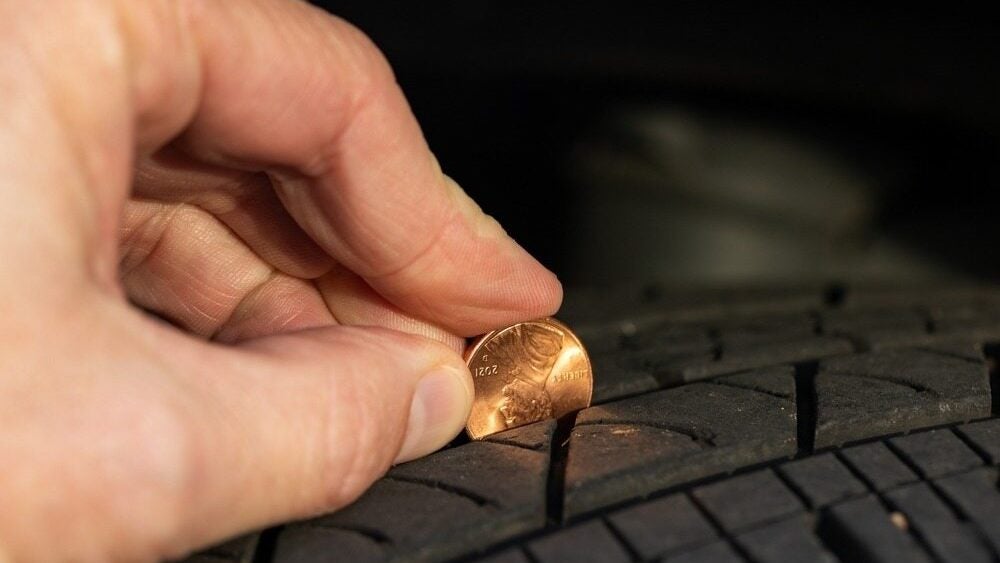
Image via Shutterstock Keeping your Mitsubishi's tires in peak condition isn't just about maintaining a smooth ride. It's important for safety on the road. Here's a closer look at telltale signs you might need new tires from the Mitsubishi dealer. Check on Your Tread Depth The easiest way to know if your tires are due for a change is to check the tread depth. Tires have built-in indicators that can give you a clue, but you can also test with a handy trick called the penny test. Simply insert a penny into the tread groove with Lincoln's head pointing down. If you can see the top of his head, your tread is too worn, and it's time for a new set of tires. Watch Out for Uneven Wear If your tires are wearing unevenly, it could be a sign of bigger issues, like alignment or suspension problems, or it might just mean you've skipped a few tire rotations. Uneven wear compromises your car's grip on the road and can cause one tire to wear out before the others, so don't ignore it. Cracks and Bulges are Red Flags Take a moment to inspect the sidewalls of your tires. Cracks, bulges, or gashes are serious red flags. These flaws can lead to sudden tire failures, like blowouts, especially when you're driving at high speeds. Vibrations and Noise Feeling unusual vibrations or hearing noise while driving on a smooth road? It might be your tires telling you something. While these symptoms can also point to alignment or suspension issues, they're often related to tire problems like imbalance or internal damage. Tire Pressure Warnings Constantly inflating your tires? You might have a slow leak. Regularly check your tires for any punctures or signs of damage. Sometimes, a simple repair will do, but significant damage will require a tire replacement. The Age Factor Tires age, even if they look okay. The common recommendation is to replace your tires every six years, even if they seem good. Rubber breaks down over time, affecting both performance and safety. Check your tire's manufacture date, a four-digit code on the sidewall, to see if it's time for a change. Seasonal Considerations Lastly, consider the season and the conditions you drive in. If the weather drops below freezing, switching to winter tires or all-season tires can greatly improve your safety. Winter tires wear down quickly on warm roads, though, so switch them out when the season changes. Shop for New Tires at Your Mitsubishi Dealer If you're ever in doubt about your tires' condition, a quick trip to the dealership can give you peace of mind or a much-needed upgrade. Our trained professionals can help you choose the perfect tires for your ride and get them on your car in no time. Worn-out tires pose a serious safety hazard, so never ignore signs that something isn't quite right with them. Call Rath Mitsubushi in Springdale, AR to schedule your tire inspection today.