
View Monthly Specials

Click Here
Blog / Springdale Mitsubishi Service

Blog

All Springdale Mitsubishi Service Things to do Near Springdale AR Kids' Activities in Springdale AR Auto Care Tips Buying a Used Car Springdale Mitsubishi Dealer Outdoor Activities Near Springdale, AR Best Used Vehicles Places to Eat in Springdale AR Parks Near Springdale, AR Auto Financing Tips Mitsubishi Outlander Historic Places in Springdale Mitsubishi Eclipse Mitsubishi Mirage Seasonal Activities Shopping Near Springdale, AR 2025 Model Year Mitsubishi Outlander Sport 2025 Mitsubishi Eclipse Cross Mitsubishi Outlander PHEV 2025 Mitsubishi Outlander 2026 Mitsubishi Eclipse Cross SUV 2025 Mitsubishi Outlander PHEV Mitsubishi Mirage G4 Mitsubishi service Rath Community Involvement

How to Jump Start Your Mitsubishi in 5 Easy Steps

Knowing how to jump-start a car is an important skill for any driver. It may look complicated, but it's a very easy process if you know the right way to do it. As your Mitsubishi dealer, we want to guide you through the simple steps to jump-start any vehicle. In the example below, your Mitsubishi will be used to jump the failed battery in another vehicle. more 5 Easy Steps To Jump-Start a Car: Position Correctly Jump-starting requires connecting your battery to the dead battery of another vehicle and giving it enough juice to get the other vehicle's engine to start. You'll need jumper cables and want your Mitsubishi to be as close to the other vehicle's battery as possible. This reduces the need to stretch the cables tightly, and the jumper cable clamps are less likely to slip off the battery terminals. Most vehicle's batteries are located under the hood, but some vehicles have their engine and battery in the trunk. Confirm the location of the other vehicle's battery before you position your Mitsubishi, and then park as close to it as possible. Once you're in position, ensure both vehicle's engines are switched off and pop the hoods. Red Cables First Jumper cable sets include red and black cables, and these cables must be connected in a precise order. Incorrectly connected cables can prevent the other battery from charging and, in extreme cases, could even start a fire. The red cables must always be connected first, starting with connecting one red cable clamp to the positive terminal in the dead battery. Ensure the first red cable clamp is securely in place, then connect the second red cable clamp to the positive terminal in your battery. Positive terminals are identified with a + sign, or they may have a red plastic cover. Black Cables Second Now the red cables are in place, it's time to connect the black cables. Connect one of the black cable clamps to the negative terminal on your battery. The final step is very important, as the remaining black cable clamp must be connected to any unpainted metal surface in the other vehicle's engine. Jump the Battery Start your engine and allow it to idle for several minutes. Electricity will start flowing from your battery to the dead battery. After a few minutes, try to start the other vehicle. If it starts, allow it to idle, and your job is done. If the other vehicle doesn't start, return to your Mitsubishi, let the engine idle for another ten to fifteen minutes, and try to start the other vehicle again. Disconnect the Cables Once the other engine is running, you can disconnect the cables. The cables must be removed in the reverse order of their installation. If you have any questions about jump-starting, contact us today at Rath Mitsubishi in Springdale, AR.
4 Benefits of Getting OEM Parts for Your Mitsubishi

Image via Mitsubishi Should you go for that affordable spare part you've just seen online, or go to your nearest Mitsubishi dealer for an OEM part? We'll take you through four benefits of OEM parts and leave the final decision to you. more 1. Quality OEM spare parts are thoroughly checked and tested to comply with the manufacturer's production standards and relevant regulations. They are also made from high-quality materials according to correct design specifications and tolerances to ensure perfect fit and performance. This is why they are delivered with a full warranty in case they prematurely fail or aren't manufactured properly. On the other hand, the quality of aftermarket parts differs from manufacturer to manufacturer. To keep costs down, some manufacturers build parts that just meet the minimum standards and others design parts differently to try to achieve the same effect offered by OEM spare parts. 2. Compatibility One problem we've seen with some aftermarket parts is that they don't fit quite right. This is because they are generally made to suit as many vehicles as possible, leading to maddening annoyances such as panels not aligning properly or windshield wipers making too much noise. In contrast, OEM spare parts are engineered specifically for your exact car make and model using precise specs. These parts have realistic tolerances, so you or your mechanic won't have to worry about drilling, sanding, grinding, or bending something just to get it to line up right. 3. Performance When you use aftermarket parts, you are using something your Mitsubishi was not originally designed for. Therefore, it may perform quite differently from what you're used to, and in some cases, the performance could go down. One item we recommend going for OEM is spark plugs because engines can be quite choosy about what they work with. While older engines could just use whatever plug as long as it was the right size, modern engines are more complex because of things like direct injection and precise timing. Electrical parts are also another area where OEM shines, since aftermarket parts may have resistances and voltages that differ with factory-installed stuff. 4. Long-Term Cost The affordability of aftermarket parts may seem like a small win in the short term, but this value may not be as great in the long term. The unreliable quality and poor fit of some non-OEM spare parts can cause them to wear down fairly quickly, requiring you to replace them sooner. These parts can also affect other areas of your vehicle that are costlier to repair or replace. Fitting your Mitsubishi with OEM spare parts is the best way to keep it running as good as new. Contact Rath Mitsubishi in Springdale, AR for quality OEM spare parts. We have a large selection of parts to keep your car in great shape.

Does Your Mitsubishi Need New Tires?

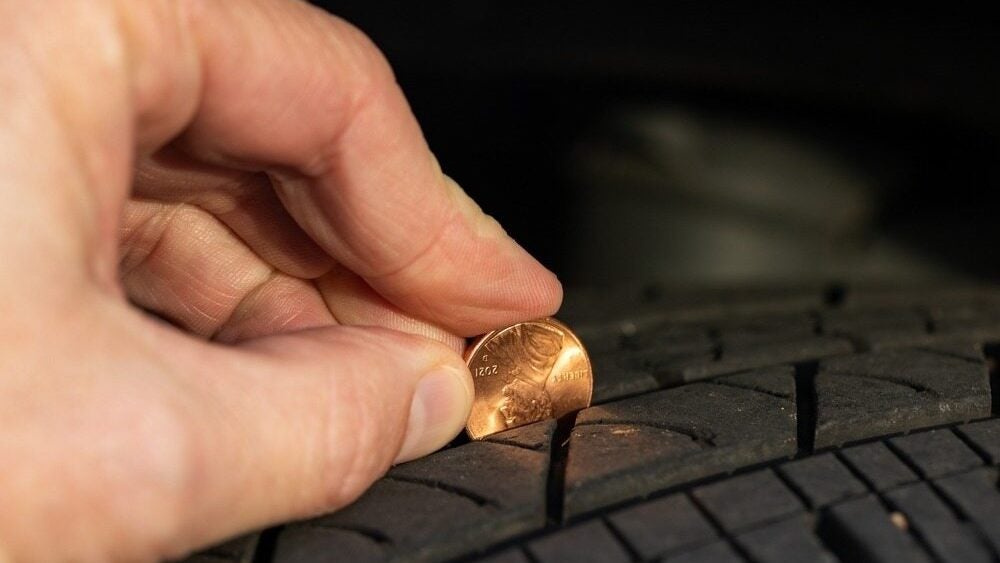
Image via Shutterstock Keeping your Mitsubishi's tires in peak condition isn't just about maintaining a smooth ride. It's important for safety on the road. Here's a closer look at telltale signs you might need new tires from the Mitsubishi dealer. Check on Your Tread Depth The easiest way to know if your tires are due for a change is to check the tread depth. Tires have built-in indicators that can give you a clue, but you can also test with a handy trick called the penny test. Simply insert a penny into the tread groove with Lincoln's head pointing down. If you can see the top of his head, your tread is too worn, and it's time for a new set of tires. Watch Out for Uneven Wear If your tires are wearing unevenly, it could be a sign of bigger issues, like alignment or suspension problems, or it might just mean you've skipped a few tire rotations. Uneven wear compromises your car's grip on the road and can cause one tire to wear out before the others, so don't ignore it. Cracks and Bulges are Red Flags Take a moment to inspect the sidewalls of your tires. Cracks, bulges, or gashes are serious red flags. These flaws can lead to sudden tire failures, like blowouts, especially when you're driving at high speeds. Vibrations and Noise Feeling unusual vibrations or hearing noise while driving on a smooth road? It might be your tires telling you something. While these symptoms can also point to alignment or suspension issues, they're often related to tire problems like imbalance or internal damage. Tire Pressure Warnings Constantly inflating your tires? You might have a slow leak. Regularly check your tires for any punctures or signs of damage. Sometimes, a simple repair will do, but significant damage will require a tire replacement. The Age Factor Tires age, even if they look okay. The common recommendation is to replace your tires every six years, even if they seem good. Rubber breaks down over time, affecting both performance and safety. Check your tire's manufacture date, a four-digit code on the sidewall, to see if it's time for a change. Seasonal Considerations Lastly, consider the season and the conditions you drive in. If the weather drops below freezing, switching to winter tires or all-season tires can greatly improve your safety. Winter tires wear down quickly on warm roads, though, so switch them out when the season changes. Shop for New Tires at Your Mitsubishi Dealer If you're ever in doubt about your tires' condition, a quick trip to the dealership can give you peace of mind or a much-needed upgrade. Our trained professionals can help you choose the perfect tires for your ride and get them on your car in no time. Worn-out tires pose a serious safety hazard, so never ignore signs that something isn't quite right with them. Call Rath Mitsubushi in Springdale, AR to schedule your tire inspection today.

Does Your Mitsubishi Have a Faulty Ignition Coil?

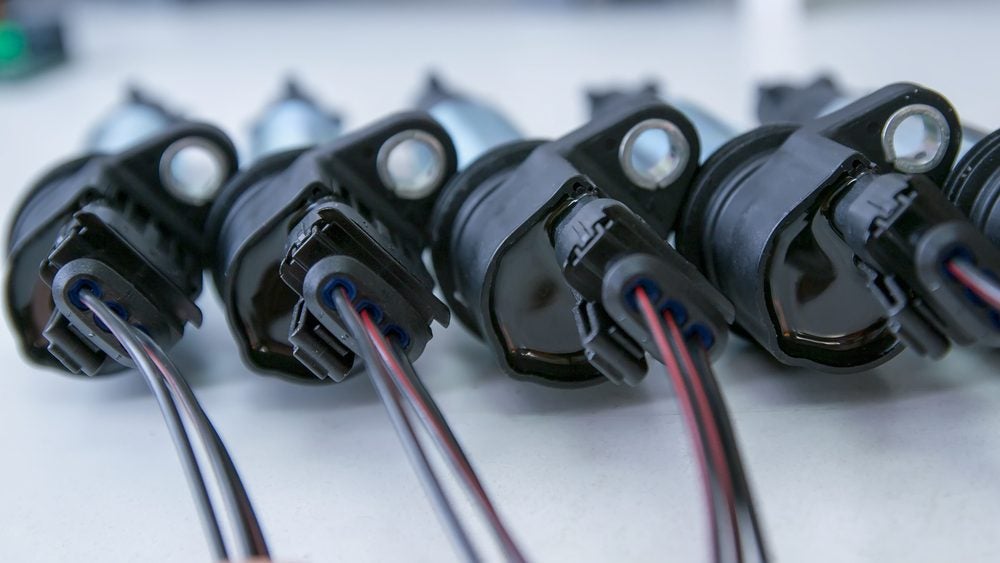
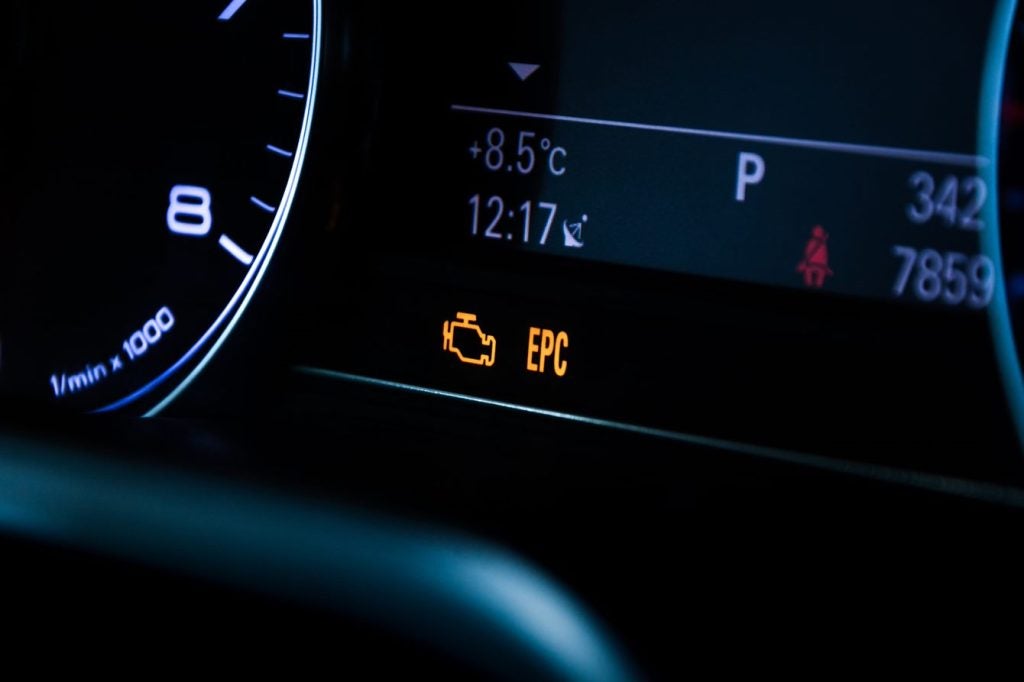
Image via Shutterstock Your Mitsubishi's ignition coil plays a crucial role in starting your car's engine. It converts the battery's low current into enough power to ignite the fuel. A faulty ignition coil will cause various vehicle problems, from a loss of power and high fuel consumption to rough idling and stalling issues. Your Mitsubishi dealer has provided a list of symptoms below to help you identify ignition coil problems and get the necessary repairs before causing extensive damage. more Unresponsiveness If you experience a decrease in power when you press the accelerator, a malfunctioning ignition coil could be the cause. When the fuel-air mixture inside the engine doesn't ignite effectively, it can cause your vehicle to respond sluggishly. Vibrations and Rough Idling A failing ignition coil can disrupt the smooth operation of your vehicle. When the coil doesn't work correctly, your car may experience vibrations, rough idling, and sudden jerks when you accelerate to increase your speed. Misfires When one of the cylinders isn't firing properly or doesn't fire, it can lead to misfiring. The result is smoke from your tailpipe, a gas smell, and loud banging noises from the unused gas exploding in the combustion cylinders. Misfiring can significantly damage engine components and the catalytic converter, resulting in high repair costs. Unfamiliar Sounds In addition to loud banging noises, you may also hear coughing or spluttering noises when you start the engine. These sounds are generally due to a cylinder not firing during the ignition process. Stalling If your car's ignition coil starts to fail, it may cause the spark plugs to spark irregularly. As a result, you may experience stalling issues when idling, or your vehicle may even shut down abruptly without any warning. Hard Starts When you turn the key in the ignition, a clicking sound may indicate a problem with the ignition coil, making it hard to start your vehicle. Your vehicle's ignition system requires a spark to start the engine. If the ignition coil is faulty, it may not provide the proper voltage to the spark plugs, resulting in hard starts. High Fuel Consumption If your car's fuel consumption has increased lately, the ignition coil may be the culprit. When the spark plugs do not receive enough power from the car battery, your car will burn more fuel to compensate for it. The result is more frequent trips to the gas station. Illuminated Check Engine Light Problems with the ignition coil will cause hard starts and misfiring, triggering the check engine light on your dashboard. When the light is on, schedule an appointment as soon as possible for a diagnostic test and the necessary repairs to prevent severe damage. Don't struggle with misfires, stalling, hard starts, and poor gas mileage. If you have ignition coil problems, call Rath Mitsubishi today.

Getting a Quality Collision Repair From Your Mitsubishi Dealer

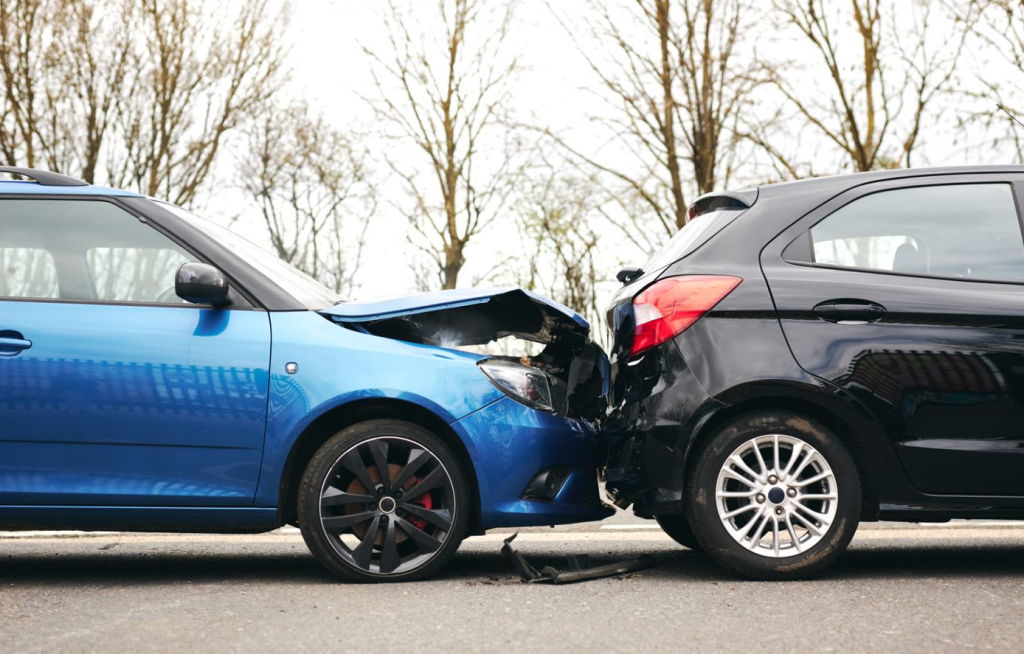
Accidents are an unfortunate fact of life, and while no one anticipates being part of one, they sometimes happen. Your Mitsubishi might have taken a hit, but your Mitsubishi dealer is fully equipped with a proficient team, top-of-the-line technology, and authentic Mitsubishi parts to return your vehicle to its pristine state. more Step 1 Entering our repair facility post-accident, it's natural that you may feel a bit disoriented. Our empathetic team will help ease your worries and guide you through the process of getting your vehicle registered for repairs. We'll also collect information from your insurance company if they are involved in overseeing the repairs. Step 2 Post the initial visual inspection, your vehicle will be meticulously cleaned to eliminate any residual dirt, ensuring a more precise damage evaluation. Our skilled technicians will then proceed to dismantle the affected parts as necessary and inspect the car's structure for any hidden damages. Rath Mitsubishi's paint experts will also be planning the perfect color match for your Mitsubishi in the next step. We'll create a comprehensive repair and cost analysis, which will be communicated to you or your insurance company. We also engage with your insurance company to streamline the process. Step 3 Upon receiving approval from you or your insurance company, we'll procure the necessary replacement parts. We'll provide you with a timeline for the completion of repairs and update you regularly on the progress. Our technicians will rectify any structural damage to your car and apply corrosion protection. Step 4 At this stage, we'll prepare the new parts and your car for painting. Leveraging our expert color-matching skills with our access to Mitsubishi's proprietary paints, we'll be able to ensure the new parts blend flawlessly with the rest of your Mitsubishi. A basecoat and clear coat will be applied to the parts and any other sections of your car that require it. Step 5 Any parts that were removed for painting or repair will be installed onto your car, if necessary. Post reassembly and testing, our quality control team will scrutinize the repairs to ensure they meet Mitsubishi standards and your car will function just as you've always experienced. Final Step Once your vehicle has passed our rigorous quality checks, we'll notify you that your Mitsubishi is ready for pickup. After you've inspected the work and are content, your Mitsubishi will be all set to accompany you back on the road. Should your Mitsubishi require any repairs, don't hesitate to get in touch with our service department at Rath Mitsubishi on our website or by phone at 479-303-8077.

Does Your Mitsubishi Need a New Car Battery?

Is your car experiencing electrical problems? If various electrical functions are struggling when the engine's off, your car battery might be on its last legs. Here are even common warning signs of a battery that needs to be replaced. If you notice any of them, visit your closest Mitsubishi dealership for a new car battery as soon as you can. more You're Having Trouble Starting Your Car In order to start your car in the morning, the starter needs a strong burst of electricity from the battery. So when a car battery begins to lose power, you'll find it harder and harder to start up on cold mornings. Your Headlights Are Dimming Headlights should remain bright and powerful even without direct power from the engine and alternator. So if your headlights grow a lot dimmer when you turn off the engine, your battery is struggling to provide enough power and might need to go. Your Electrical Accessories Are Failing If you think your battery might be faltering, try turning on many electrical accessories at the same time when the engine's off. If they don't all work properly, it's quite likely that your battery can no longer do its job. Your Engine Is Weakening The engine needs a steady flow of electricity from the alternator. But a failing battery sometimes requires more and more energy to charge. This additional draw of power puts excess strain on the alternator, diverting voltage away from the engine. As a result, the engine might begin to misfire and lose power. Have Your Local Mitsubishi Dealer Diagnose Your Engine Trouble A misfiring engine has many potential causes. Misfiring can also cause other car parts to start malfunctioning as well. So it's usually best to have a mechanic figure out the underlying problem and fix it without delay. You Catch a Sulfur Smell When a battery grows really old, its outer casing can sometimes crack. This might allow battery acid to leak out, which can damage your car. Battery acid has a pungent sulfury smell that you're likely to detect from within the cabin. Your Battery Casing Is Warped As car batteries age, they often begin to lose their proper form. If you notice your battery's casing beginning to warp, that battery doesn't have much time left and should be replaced. Your Battery Terminals Are Corroded The terminals at the top of a battery need to be clean to conduct electricity properly. As the terminals are metal, they can sometimes begin to corrode or rust, especially in cold and humid climates. You might be able to clean away a little corrosion, but if it's extensive, you'll need a new battery. Have your battery tested and repaired or replaced at Rath Mitsubishi. We're a full-service dealership that's been helping out the region's Mitsubishi drivers for over twenty years with great cars and great customer service.

3 Engine Problems You Should Always Fix at Your Mitsubishi Dealer

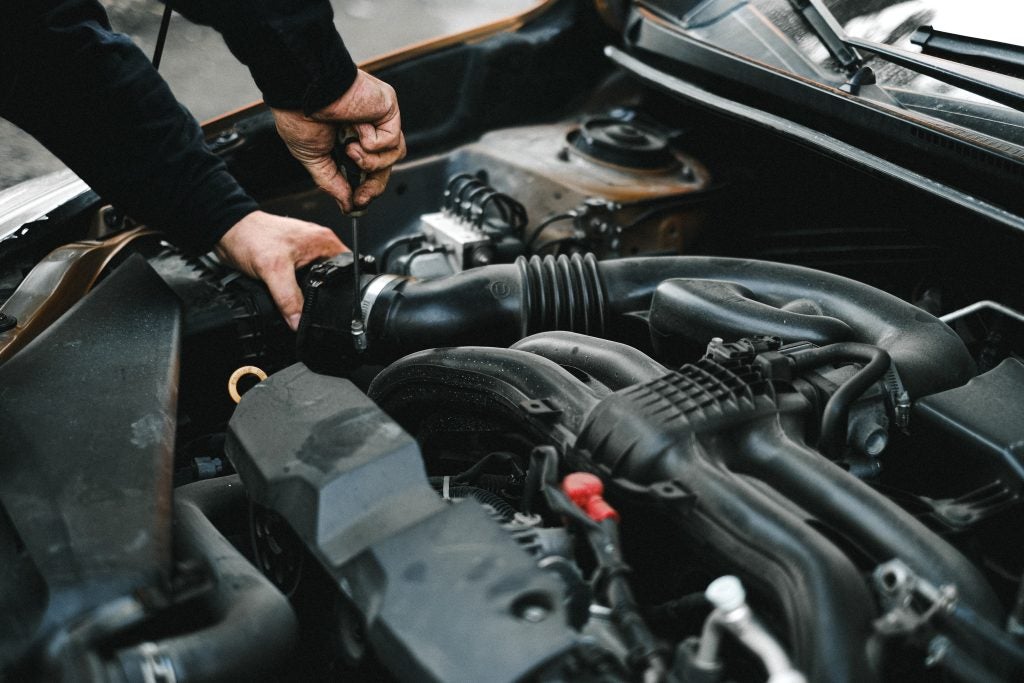
Engine problems are usually due to worn or old components. As time passes, filters can block, hoses can leak, and problems will develop. Regular engine services can identify these problems before they start. If your engine has a problem, it's time to visit your Mitsubishi dealer for repair. These are some of the problems we can fix. more Blocked Radiator The radiator's job is to control your engine's temperature by removing heat from the engine. The coolant flowing through your engine absorbs engine heat and transports this heat to the radiator. Once inside the radiator, the heat is removed from the coolant by heat exchange. As the coolant moves, it also absorbs dirt and other debris from your engine. The debris collected by the coolant is deposited inside the radiator when the coolant flows out. This debris can build up and block the radiator and cooling tubes. If this happens, the coolant won't enter the radiator for cooling, and your engine will rapidly overheat. We can fix this problem by removing your radiator and flushing it to remove the blockage. Once the radiator's clean, we'll reinstall it. Damaged Starter Motor When you push the start button, the battery sends an electrical charge to the starter motor to power it. The starter motor will then crank your engine, and the combustion process starts. Its job is critical, as your engine can't start without it. We'll need to repair or replace it for your engine to work. A starter can suffer wear and tear like any other component, and it can become damaged. If you hear a series of clicks when you try and start your engine, the starter has failed. We'll examine the motor to find the problem. The solenoid in the starter can fail, and its failure prevents the battery's electrical charge from powering the motor. We can easily replace the solenoid to fix this problem. Misfiring Misfires occur when the contents of an engine cylinder don't ignite successfully at the precise time. The fuel and air mixture necessary for combustion is mixed and drawn into the cylinders. Once inside the cylinders, the mixture is compressed and ignited at the high point of compression by the spark plugs. If the ignition isn't successful, you'll hear the sound of a misfire, and your car will lurch. Worn spark plugs are one of the main causes of a misfire, but damaged electrical wiring, a failed ignition coil, or a fuel-rich engine can cause the problem. We'll need to examine your engine to identify the cause of the trouble, and then we'll repair it. If your engine isn't working as well as it should, call us today at Rath Mitsubishi.

5 Signs You Need a Transmission Repair From Your Mitsubishi Mechanic

Your transmission is a big player when it comes to the components of your automobile. It's in constant use, working hard to make sure your vehicle runs smoothly and efficiently. With this much use, there comes a time when it's going to need a little tender loving care. This can mean servicing, rebuilding, or even replacing. Here are a few signs to let you know that it might be time for transmission repair from your Mitsubishi mechanic in Springdale, AR. more 1. Burning Smell Although the most likely culprit of a burning smell will usually be oil, a belt, or your tires, after coming to an abrupt stop, your transmission could be responsible as well. When your transmission fluid ages, it can gradually thin out. Without its proper viscosity, it will begin to heat up too quickly and burn up. You can usually tell that it's the transmission fluid burning by the sweet smell that it produces. 2. Leaking Fluid Your transmission fluid isn't like oil, in that oil burns off and will need to be topped up from time to time. T-fluid should always stay at the same level and shouldn't need reinforcements until it's time for it to get flushed completely during routine maintenance. If you check your dipstick and the fluid level appears to have receded, this probably means that you have a leak. You might also notice a pooling of reddish liquid underneath your car. 3. Unfamiliar Sounds Your vehicle has a wide variety of moving parts, each of which could be responsible for making strange or unfamiliar noises. The way to identify the noise as a transmission problem is when the sound occurs when the vehicle switches gears. Most vehicles are automatics and change gears on their own, but if you hear a grinding or growling sound while this is occurring, it could be related to your transmission. 4. Poor Response Time When your vehicle shifts gears it should be so smooth that you don't even notice it happening. If you're driving along and feel your car slowing down before it jerks back into gear, this is a tell-tale signal that your transmission is struggling. It should be fairly easy to spot, as you'll feel a lag or a kickback that will make for a choppy and uncomfortable ride. It could be the result of a worn-out gear. 5. Engine Light Comes On In some cases, newer vehicles will have a designated light to alert you specifically of a transmission problem. But a lot of models will rely on the good old “check engine” light as a blanket warning that could mean a large number of things. If either of these lights come on, it's in your best interest to take your vehicle to the shop and have a diagnostics test performed. Like most parts of your vehicle, if you nip a problem in the bud early, it will save you a lot of money and heartache in the end. If you're experiencing any of these warning signs, call Rath Mitsubishi today and schedule an appointment with our skilled team of professionals.

How Often Should You Get a Mitsubishi Tire Rotation?

Routinely swapping the tires on your Mitsubishi Mirage, Eclipse Cross, or Outlander is essential to reduce uneven wear and improve your car's performance. A tire rotation from the qualified technicians at your Mitsubishi dealer will make your tires last longer, saving you money and keeping you safe behind the wheel. more Rotation Intervals Generally, to reap all the great benefits of regular rotations, it's best to switch your car's tires every 5,000 to 7,500 miles or every time you take your vehicle for an oil change. Some signs will warn you when it's time to swap your tires, but it's best to rotate them before your tires show signs of uneven wear. Rotation Signs If you notice that your front tires are worn more on one side than the other, you'll need to switch your tires to sort out the problem. If the front tires are wearing down faster than the rear tires or vice versa, swap the tires to ensure the wear is spread evenly across all four tires. If the wear is extreme, ask your technician for a thorough tire inspection to determine if you need to replace the tires. Uneven wear will cause vibrations you'll feel through your steering wheel that will affect handling and performance. Rotate the tires and ask your technician to check if you need the tires balanced and aligned. If you notice any of these signs, swap your car's tires as soon as possible to prevent further tire damage that could lead to replacing the entire set. Rotation Patterns The rotation patterns differ depending on the type of car you drive. The front tires on a front-wheel drive car will wear down faster, and the rear tires on a rear-wheel drive will wear faster. Front-Wheel-Drive (FWD) Vehicles The technician will mount your front tires to the rear if you drive an FWD. The rear tires will be crossed over and fitted to the front. This means mounting the back right tire on the front left side and moving the rear left tire to the front right side of your car. Rear-Wheel-Drive (RWD) Vehicles On rear-wheel-drive vehicles, the rear tires move straight to the front, keeping them on the same side. The front tires are swapped and mounted to the back. All-Wheel-Drive (AWD) Vehicles The technician will swap the right front and left rear tires if you drive an AWD. The left front and right rear tires change positions. Rotation Benefits Regular rotations will ensure even tread wear, reduce vibrations and increase your car's performance. Your tires will last longer, and you won't have to replace your tires as often, saving you money. Every time a Mitsubishi technician performs a rotation, your tires will also be checked for thread wear and damage and inflated to the proper pressure levels. Check your owner's manual for the rotation intervals and the correct rotation patterns for your specific model, or ask your Mitsubishi technician for assistance. Stop at Rath Mitsubishi today for a rotation to prolong the life of your tires and enjoy a smoother ride.

5 Essential Services You'll Find at Your Friendly Mitsubishi Dealership

Taking care of your vehicle needs should be easy and stress-free, and that is why you should always count on the experts. There is only one place you can trust for superior new and pre-owned vehicles and top-quality services, maintenance, and repairs. The staff at your Mitsubishi dealership has the knowledge, expertise, and specialized equipment to ensure that your car always runs optimally. 5 Essential Services You'll Find at Your Friendly Tigard Mitsubishi Dealership 1. Superior New and Pre-Owned Vehicles We are proud to offer you a huge inventory of superior new and pre-owned vehicles. From quality sedans to SUVs, your dream car is here at our dealership waiting for you. Our expert staff will assist you in choosing the right model to suit your lifestyle and budget. You can visit us at the dealership or browse our new and pre-owned inventory online on our website and choose the right vehicle that is perfect for you. 2. Top-Quality Maintenance and Repairs We are here to take care of all your maintenance and repair requirements. Our Mitsubishi-trained technicians know every part, component, and system that keeps your vehicle running. They will perform top-quality maintenance and repairs using specialized technology and genuine Mitsubishi parts. Our maintenance and repair services include the following and more: Preventative vehicle maintenance General repairs Engine diagnostics Tune-ups Fluid and filter checks and corrections Transmission services Brake checks and repair Battery inspections and replacements Radiator and cooling system repairs Air conditioning and heater services Alternator inspections and repairs 3. Oil Changes Your vehicle needs an oil change every three months or 3,000 miles, whichever comes first. Check your owner's manual or speak to one of our expert technicians on the recommended oil changes for your specific model. Regular oil changes will ensure that all the parts are well lubricated and running smoothly. When you change your vehicle's oil regularly, you will save money in the long run and avoid expensive repairs. 4. Expert Tire Installations We know your car and what tires are the best for the model you drive. We stock all the major tire brands at competitive prices, and our trained technicians will expertly install the correct tires for your vehicle. To give you added peace of mind, we offer a two-year road hazard coverage on all eligible tires. 5. 24-Hour Roadside Assistance We are there when you need us, 24 hours a day, 365 days a year. With your new Mitsubishi, you receive 24-hour emergency roadside assistance for five years regardless of the mileage on your vehicle. We will tow your vehicle after an accident to the nearest Mitsubishi dealer for repairs. We will jump-start your car, change a flat tire, and deliver fluid and fuel to you. If you locked yourself out of your vehicle or you need minor repairs, don't worry. We'll sort out the problem in no time. Just phone us on our Roadside Assistance toll-free number and get the help you need fast to get you back on the road. Always know that your dealership offers you all the services you need to keep your Mitsubishi in tip-top running condition. Contact Rath Mitsubishi today. We offer only top-quality services, maintenance, and repairs performed by our highly qualified, factory-trained technicians. Image via Pixabay

5 Things to Know About Your Mitsubishi Service Schedule

There is only one way to ensure that your Mitsibushi is reliable, fuel-efficient, and safe. By following the Mitsubishi service schedule and factory-recommended maintenance intervals, you will enjoy many miles behind the wheel. Regular maintenance performed by qualified Mitshubishi technicians will give you peace of mind that your vehicle will always get you to your destination. more 5 Things to Know About Your Mitsubishi Service Schedule 1. The Importance of the Service Schedule The service schedule is a guide created by the Mitsubishi manufacturer to assist you in maintaining your vehicle. It contains information on when your Mitsubishi needs a service and the maintenance tasks that need to be performed. It is crucial to adhere to your vehicle's service schedule to ensure that your Mitsubishi continues to perform at its best. You will find your vehicle's service schedule is in your owner's manual. 2. The Factory Recommended Maintenance Intervals The service schedule contains maintenance intervals when qualified technicians must perform factory-recommended maintenance tasks. These maintenance tasks are recommended by Mitsubishi and are vital to ensure that your vehicle runs smoothly. Every Mitsubishi model has its own service schedule and factory-recommended maintenance intervals. Generally, Mitsubishi maintenance intervals are between 7,500 and 10,000 miles. Your owner's manual contains the maintenance intervals for your specific Mitsubishi model. You can also speak to your Mitsubishi technician for information on the required maintenance intervals and tasks that need to be performed. 3. Maintenance Services During each maintenance interval, specific maintenance tasks need to be performed. The service schedule contains a list of the required maintenance tasks at each interval. The inspections, fluid checks and corrections, adjustments, and parts replacements must be performed by qualified technicians at the factory-recommended maintenance intervals to ensure that your Mitsubishi continues to run optimally. 4. How Often Your Vehicle Needs Maintenance How often your vehicle will need servicing will depend on the model you drive, the year, the engine type, and your driving habits. The operating conditions will also determine how often you need maintenance to be performed. Normal Driving Conditions The operating conditions influence how often your vehicle will need to be serviced. When you drive your car with care, regularly check the fluid levels, and adhere to the recommended maintenance intervals, less frequent maintenance services will be required. Severe Driving Conditions You will have to service your vehicle more frequently if you drive under severe driving conditions. These conditions include driving in heavy traffic, tow heavy loads, and extreme temperatures. If you drive on uneven, dusty, and muddy roads, your car will also require more maintenance. 5. Maintenance Benefits You will reap many benefits and save money when you follow the service schedule and allow a qualified Mitsubishi technician to perform maintenance services. Your vehicle will be in excellent running condition, saving you money on gas and unexpected repairs. You will have the assurance that your car is reliable, fuel-efficient, safe, and be on the road for longer. The service schedule is there to assist you in maintaining your Mitsubishi to ensure that your car continues to be a pleasure to drive. Contact Auto World Mitsubishi today for a maintenance appointment. Our qualified and experienced Mitsubishi technicians will perform an expert maintenance service to ensure that your vehicle is in tip-top condition. Image via Pixabay

5 Items Every Driver Should Have in a Car Tool Kit

When you're out on the road, you never know what might happen. It's always best to be prepared, which is why it's really important to keep a few key items in your car, just in case. These bits and pieces can make a huge difference when you're out on the road, so read on for a list of 5 essential items you should have in your car tool kit at all times. more 5 Items Every Driver Should Have in a Car Tool Kit 1. First Aid Kit Even a first aid kit that's as basic as a few plasters and antiseptic wipes is an essential part of every driver's inventory. It's a great source of basic medical supplies when you're out and about and could also be used to patch you up after a minor accident. While it's no substitute for professional medical attention, a well-stocked first aid kit can still be invaluable. You can usually buy a ready-stocked kit from most pharmacies which you can then add to as you go. Painkillers, motion sickness tablets, and a few basic bandages are always useful. 2. Jumper Cables Keeping an eye on your battery is always a good idea. A failed battery can leave you stranded, something that's particularly unpleasant in cold weather when batteries are most likely to fail. Even if your battery is brand-new and in tip-top condition, most drivers have managed to drain their batteries at some point in their lives just by leaving their headlamps or heating on. A set of jumper cables are all you need to get you out of this sort of fix. They also allow to you play the good Samaritan to any unlucky drivers you encounter who've neglected to pack this essential item. Make sure you keep them in good condition; rusty contacts can stop them from working just when you need them the most. 3. Screwdrivers A set of Philips and flathead screwdrivers is an inexpensive investment that can be extremely useful if you need to change a headlight, remove a faulty windscreen wiper, or any number of other minor roadside fixes. 4. Towing Rope or Strap Keeping a towing strap, chain or strong rope in your car could make life a lot easier if you break down on the side of the road. It could be enough to get you home if you find yourself in difficulty and spare you the strain on your wallet from a tow company. They can often be found at hardware stores at a very reasonable price. 5. Warning Triangle These little pieces of kit are so useful that you're actually required to carry one in some jurisdictions. Their purpose is to make your car more visible to passing motorists if you've broken down on the side of the highway. They're always reflected and are designed to be placed some distance behind your car, so passing drivers can see you and have time to slow down and pass safely. These simple items can be a godsend if you find yourself in a sticky situation. What equipment do you carry in your car? Visit us at Rath Mitsubishi and let us know. Image via Pixabay

Contact Us

Fill out this form below and we'll contact you shortly
*Required Fields