
View Monthly Specials

Click Here
Blog / Buying a Used Car

Look for These 5 Safety Features When Shopping For a Used Car

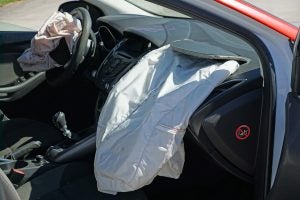
collision crash test

You'll likely consider several factors when shopping for a used car, but one of the most important to consider is safety. Whether you mainly drive by yourself or with a group of people, safety should always be a primary concern when car shopping. Look for these five safety features when shopping for a used car.

Active Park Assist

For several years now, active park assist has been available on a wide variety of vehicles, and it can vastly improve your parking experience. This system equips the vehicle with sensors that will go off when you get close to other cars or obstacles when trying to park. They can even go so far as to detect empty parking spaces and guide your vehicle inside, automatically taking control of the steering while you control the acceleration and braking. 

Blind Spot Monitoring

As the name suggests, blind-spot monitoring works to let you know what's in your blind spot. A vehicle with this feature is equipped with small sensors that will send you alerts when a vehicle or obstacle is in your blind spot. Typically, you'll be alerted by flashing lights on the side mirrors, but you'll also find some systems that display on the dash or offer an option for audible alerts that can be toggled on and off.

Rear Cross-Traffic Alert

Rear cross-traffic alert is a helpful system that typically comes coupled with active park assist or blind-spot monitoring because it uses the same technology. When you're backing out of a parking spot, it can be difficult to see whether any oncoming cars are heading your way. This is especially true if you're surrounded by large SUVs or minivans. With rear cross-traffic alert, you'll receive warnings if any oncoming cars are detected so you can stop backing up and avoid a collision.

Lane-Keeping Assist

Lane-keeping assist is a state-of-the-art safety feature that makes sure your vehicle stays safely within your lane. It uses sensors that detect road markers to paint a digital picture of what your lane looks like. If the system detects you edging out of the lane without signaling, it will subtly recenter your vehicle automatically. You can also set up this system to provide an alert instead of an automatic correction.

Forward Collision Warning

Forward collision warning is one of the most useful safety features you'll find. This system constantly scans the area ahead for potential collisions. When one is detected, you'll receive alerts to slow down. If you fail to slow down in time, the vehicle will go so far as to slow down for you. Keep an eye out for more advanced systems as well, because some can only detect collisions with other cars, while others have both car and pedestrian detection.

While all of these safety features are helpful, it's important to remember that none can replace your own reaction time and driving practices. If you're looking for quality used vehicles with the best safety features, look no further than Rath Auto Resources. With our expansive inventory, you're sure to find something you'll be happy driving for years to come.

Image via Pixabay.com
Posted in:

Related Posts

SUV vs Sedan | Classic Toyota of Tyler

Find Your Ride: SUV or Sedan?

Over the past decade, SUVs have exploded in the automotive market. In the past, if you wanted an SUV, you had only a handful of options to choose from and most were designed for functionality over comfort. Sedans were the norm, but all that has changed. Now the question for many car buyers is whether to pick a sedan or an SUV. If you're in this boat, consider the pros and cons of each type of vehicle to find the right model for you and your lifestyle. Comfort Even just a few years ago, the comfort debate always went to the sedan segment. Most SUVs were truck-based, which meant a bumpy and rough ride. Although it is tough to beat the comfortable interior of a roomy mid-size or full-size sedan, crossover SUVs have come a long way to hold their own in this category over the past few years. more If it's tough for you to climb in and out of a car, a sedan will probably be the right choice since an SUV sits higher and may require you to step up. However, parents of young children often prefer the higher ride of an SUV when strapping kids in their car seats since it's easier to reach without bending too low. Functionality Some people argue that an SUV has a bigger cargo area than a sedan, but this really depends on the model. A full-size sedan can have a much larger trunk than what you'll find on a compact SUV. However, since the SUV's cargo area doesn't have a lid, you may be able to fit taller or bulkier items in the rear, which can be an advantage. Another area of functionality where an SUV beats a sedan is handling on rough terrain. An all-wheel-drive SUV will also perform more effectively in the snow, mud, or other adverse road conditions. Fuel Economy If your top priority is fuel efficiency, you'll probably end up choosing a sedan. Larger vehicles weigh more and have more powerful engines, which translates to worse fuel economy. Even when comparing hybrid models, the sedan will always win out. In fact, some hybrid sedans can get up to 50 miles per gallon, while an SUV will typically top out at about 35 mpg. Safety Overall, it's easier to maneuver a sedan through traffic since it's not as large as an SUV. However, the size of an SUV can stand up better if you get in a crash. Rollover rates are much lower than they used to be, thanks to features like rollover-prevention systems and electronic stability control. Both sedans and SUVs are available with the latest safety features as well, such as forward collision warning with automatic braking, blind spot monitoring, lane departure warning, and rear cross-traffic alert, so you can certainly get a safe model in either segment. Sedans and SUVs each offer their own set of advantages and drawbacks. Finding the perfect car will make your driving experience more enjoyable, so test drive a few models before you make your final decision. Photo by Dougtone | Licensed under cc by 2.0

6 Keys to Getting Mitsubishi Financing Through Your Dealer

If you are looking to get financed for a new car, you are in luck. We want to share some tips with you that will help you get Mitsubishi financing through your friendly Mitsubishi dealer in Springdale, AR. Here are six keys to getting financed. more 6 Keys to Getting Mitsubishi Financing Through Your Mitsubishi Dealer 1. Understand Your Credit You can get access to a free credit report easily, and you should know your credit score before you get financed. You should be careful to attend to any mistakes you see on your credit report before you seek financing. This will help you get the best deal possible. However, if you have bad credit, don't be discouraged. Your dealer will be able to help you find an option that works best for you. 2. Bad Credit Isn't a Deal Breaker Even if you have bad credit, you can still get financed for a vehicle. Your lender will consider your income and your down payment too. Not only this, but you can also consider the value of your trade-in if you have one too. If you can lower your overall costs, then you might find it easier to get financed this way too. Just remember that you have options. 3. Consider the Down Payment Knowing that your down payment helps you in the process of getting approved for financing, consider how you can save up the money you might need for a down payment. You can talk to your dealer to get an idea about how much you might need that way you can explore your options with confidence. 4. Consider All the Costs Understand that in addition to the cost of the car there will be taxes and fees. Ensure that you are prepared to handle this too. You should also understand that aside from your monthly payments, there are other expenses that come with car ownership. Consider things like gas, insurance, and maintenance when you are thinking about how much you can afford. 5. Get a Pre-Approval Fortunately, you can fill out a financing application and get a pre-approval right at home. You should utilize this convenient service to get an idea about some of your options. Once you have done this, you can go into the dealership confidently. This will help you and your dealer look at options that are a great fit for you. 6. If You Have Any Questions or Concerns Reach Out Your Springdale, AR Dealer Today Rath Mitsubishi has a team of professionals that want to help you find the best solution for your needs. If you have any concerns, or if you are confused about something, reach out to your dealership's finance team with any questions. You can move forward confidently knowing that you have a team of professionals behind you. Now that you know the best tips for getting financing, you can focus on getting the right car for you. Contact us today at Rath Mitsubishi in Springdale, where we can help you find the best vehicle for you.

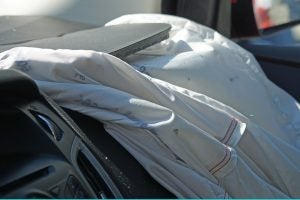
collision air bags deployed

5 Types of Auto Coverage You Can't Do Without

Owning a car comes with a lot of responsibility. One of the most important responsibilities is getting car insurance. The big question is how much insurance do you need and what you should make sure is covered. There are some factors you should keep in mind when considering what coverage is essential and what you might not need. These are some of the types of auto coverage and why they are essential. 1. Liability Coverage for Bodily Injury The most important coverage to carry is your state's minimum liability insurance. This type of insurance covers other drivers on the road for damage and injury that you cause. Each state has laws for the amount of liability insurance you need to carry. more If you don't carry the minimum and you get into an accident, you run the risk of losing your driver's license and you can face large financial penalties. If you are found to be at fault for an accident, you will most likely be responsible for covering the cost of the damage that you caused. You should also carry enough liability coverage to protect your assets if you cause an accident. 2. Property Damage Coverage for property damage is also important to carry and usually comes along with liability insurance. This insurance covers damage to other people's property. It would cover a car that you hit or even damage to city property, such as a guardrail. The amount of property damage covered is the amount listed in your policy, so keep in mind that the state minimum might not be enough to protect you if you cause a serious accident. 3. Collision Coverage Collision insurance covers the cost of repairing your own car after an accident. The amount that you carry depends on the value of your vehicle. When adding this insurance to your policy, you need to determine what you want your deductible to be. This is the amount you have to pay before insurance pays to get your vehicle repaired. Collision coverage is necessary if you have a new car, but it is less critical as the value of your car declines. If you drive a vehicle that is only worth a few thousand dollars and have a large deductible, it might not make sense to carry it. 4. Comprehensive Coverage Comprehensive insurance covers damage to your car that is not the result of a collision, such as a fire or damage when a thief breaks in. Comprehensive coverage also has a deductible, so consider what you can pay out of your own pocket. 5. Rental Insurance Rental insurance will cover the cost of a rental car while yours is in the shop after an accident. This type of insurance usually only adds a few dollars to your premium, and will help with the expense of renting a car when you need it. When deciding how much coverage you need, consider the daily rental rate for a vehicle that is comparable to the one you have. While certain types of auto insurance are required, there are other coverages you might be able to do without depending on your vehicle. Image via Pixabay.com