
View Monthly Specials

Click Here
Blog / Auto Care Tips

Blog

All Auto Care Tips Things to do Near Springdale AR Kids' Activities in Springdale AR Buying a Used Car Springdale Mitsubishi Dealer Outdoor Activities Near Springdale, AR Best Used Vehicles Places to Eat in Springdale AR Parks Near Springdale, AR Springdale Mitsubishi Service Auto Financing Tips Mitsubishi Outlander Historic Places in Springdale Mitsubishi Eclipse Mitsubishi Mirage Seasonal Activities Shopping Near Springdale, AR 2025 Model Year Mitsubishi Outlander Sport 2025 Mitsubishi Eclipse Cross Mitsubishi Outlander PHEV 2025 Mitsubishi Outlander 2026 Mitsubishi Eclipse Cross SUV 2025 Mitsubishi Outlander PHEV Mitsubishi Mirage G4 Mitsubishi service Rath Community Involvement
woman working on car

How to Prepare Your Car for Warmer Weather

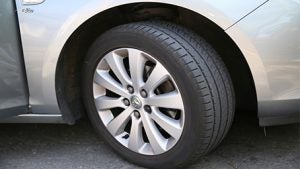
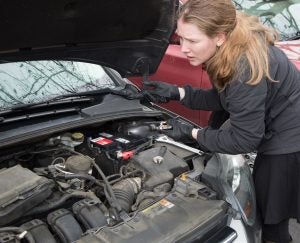
After a brutally cold winter, there's nothing better than getting outside and enjoying warmer temperatures. But when you bring your car out after a harsh winter, you need to take some precautionary steps before warm weather decides to stick around. Heat is as big a threat to your vehicle as cold and snow, so keep reading to find out how to best prepare your car for warmer weather. Test Your Air Conditioning There's nothing worse than a heat wave hitting and, once you enter your car, you find out that the air conditioning fails to work. Not only does your air conditioning keep you cool, but it also helps to keep your engine cool during the hot summer months. If you notice that the air comes out but the air isn't cold enough, there might be an issue with the system. You might either need additional refrigerant or your air filters may need to be cleaned. more Look at Your Tires Winter is tough on tires. If you live in an area that requires you to change out your tires for winter, make sure you put your summer tires on the vehicle. However, if you don't need to swap out the tires, have the all-season tires rotated or changed out for brand-new ones. Spring is also a good time to check the tread. A simple way to do this is to place a quarter upside down in the tire groove. If you're able to see all of Washington's head in one groove, you should shop for new tires. Check Your Battery Did you notice that your car took longer to start in the winter? Winter weather is hard on your starter and alternator, so your battery needs to work harder. Once spring hits, have your battery tested to make sure it has enough power left. Replace Windshield Wipers Over the winter, your windshield wipers have probably taken a beating from the ice and snow that accumulated on your windshield. Pick up a replacement pair, and you can easily replace the wipers yourself. During this time, top off the windshield wiper fluid as well. With the warmer weather, bugs are likely to appear and make a mess of your windshield. Clean Your Car During the winter, you probably brought in all types of dirt, snow, and salt into the vehicle. Take the time to vacuum out the vehicle and get rid of any trash. Make sure to check underneath the seats. Remove your floor mats and give them a good scrub. Don't forget to clean off the outside of the vehicle as well. Road salt and grime from melted snow can cause damage to your vehicle's finish and undercarriage. You should also consider waxing your car once it has dried completely. Just like it's important to prepare your vehicle for cold weather, it's just as important to keep it ready for warm weather. By following these simple tips, your vehicle will be ready for summertime road trips. If you have any additional questions, feel free to reach out to the experts at Rath Auto Resources NWA. Image via Flickr by Robert Couse-Baker
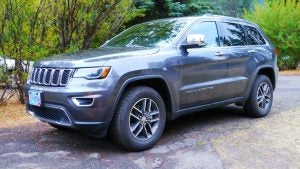
Jeep Cherokee at Wallowa Lake State Park

5 Tips for Keeping Your Car in Tiptop Shape

A car is a significant investment and one that needs to be taken care of if you want it to last. While newer cars don't require as much maintenance as older models, they still need service and attention to keep them running well. Here are some tips for keeping your car in tiptop shape. 1. Regular Maintenance Every vehicle has a specific maintenance schedule to follow. The manufacturer sets the schedule, and if you stick to it, your car will last a long time. Regular maintenance includes checking your car's fluids, oil, filters, brakes, and more. When you bring your vehicle to the dealer for maintenance, the technicians will keep track of what they have done and what the car needs at its next checkup. more 2. Check the Tires Tires often get overlooked when it comes to maintenance, but if you want to keep your car in good shape, the tires need to stay in good shape. Check the tire pressure regularly. Underinflated tires lead to poor gas mileage, but overinflated tires can lead to a blowout. Always keep the tires within the manufacturer's recommended range. It is also important to check the pressure before a trip and after any large temperature fluctuations. Don't forget to rotate the tires too. It will help them to wear evenly and stay in alignment. 3. Change the Oil The motor oil is essential to the engine's performance. Its job is to keep the engine lubricated and keep all the parts in the engine from grinding and tearing. The oil also keeps the heat away from the combustion cycle and sends the tiny particles created during combustion to the oil filter. If there is not enough oil or it's dirty, it won't keep the engine's moving parts lubricated, and the engine will suffer. Have the oil checked according to the recommendation in the owners manual, or even every time you fill up your tank. 4. Keep It Clean Washing your car serves a bigger purpose than just making it look good. It also keeps the parts from rusting and helps the paint to last longer. This is especially important during the winter if you live where it snows. The salt and sand used to melt snow on the roads can get into your car's fender wells and in the undercarriage. If it's not removed, it can cause rust, which leads to bigger problems. 5. Drive With Care In addition to regular maintenance, your driving habits can minimize wear and tear. Slow down as you approach a stop sign or stop light and refrain from slamming on the brakes at the last minute. Accelerate slowly, and keep your speed as even as possible. You also want to give the engine some time to warm up before getting up to highway speed. Regular maintenance, fluid checks, and tires checks are essential for keeping your vehicle in tiptop shape. Spending the time and money to have these things checked and maintained will save you from spending big money on repairs later. Image via Flickr by Rick Obst

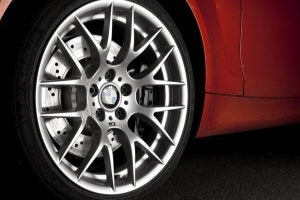
2011 BMW 1Series M-Spec

5 Tips for Extending the Life of Your Tires

Tires are expensive. They are also one of the most important parts of your car when it comes to your safety and often the most neglected. Tires wear down as the miles pile on no matter what kind of car you drive. Each tire manufacturer provides the number of miles the tires should go before they need replacing, but depending on how you drive, this number could be higher or lower. Here are some tips for extending the life of your tires. 1. Keep The Correct Pressure Maintaining the correct tire pressure is essential to maximizing the life of a tire. You should check the pressure at least once a month to make sure your tires are correctly inflated. Remember, fluctuations in temperature can change the pressure, so always check them when the temperatures drop. Also, always check the pressure before you head out on a long trip. If the tires become underinflated, excess heat could build up in the tire as you drive and lead to failure. The correct pressure is usually listed on the driver's side door jamb. more 2. Rotate, Rotate, Rotate You should have your tires rotated regularly so they wear evenly. Your vehicle's owner's manual will have the specific intervals required between rotations, or you can find it in the new tire warranty. If you can't find it, a good guideline to follow is rotating your tires every 5,000 to 8,000 miles. 3. Keep the Wheels Aligned If you feel any kind of vibration or the car starts to drift to one side, it probably means that your vehicle is out of alignment. If you keep driving the car this way, the tires will unevenly wear down, which will shorten their life. It is not uncommon for wheels to come out of alignment; it happens as you drive over bumps, potholes, and even curbs. A wheel alignment should be a part of your regular vehicle maintenance, and it will also help extend the life of the tires. 4. Keep Out of the Sun It is impossible to keep your car and its tires out of the sun completely, but minimize the time by parking in a garage or keeping it in the shade. The harsh rays of the sun can cause the tires' rubber to crack. 5. Change Your Tires With the Seasons If you live in a place where it gets cold and snowy during the winter, consider changing over to snow tires for the winter season. Snow tires use a different rubber compound designed for cold weather, and the design of the tread also provides better traction on the snow and ice. If you change out your tires each season, you'll get more miles out of each set. Just remember to remove the snow tires as soon as the weather warms up so you don't add unnecessary wear. Regular maintenance is key to extending the life of your tires. You can also add to the mileage by keeping them out of the sun and using snow tires in the winter. Image via Flickr by The National Roads and Motorists' Association

winter

Tips for Winterizing Your Car

Winter is here, but it's not too late to get your car ready if you didn't have time to get it done before the snow started flying. Years ago, winterizing your car was necessary to keep it running and in good shape during the cold winter months. Fortunately, modern vehicles don't need the same extensive routines. However, there are some things you can do to ensure your car keeps running throughout the season. Try some of these winterizing tips. Check the Battery The battery is essential to getting your car started, but when the temperature drops, the chemicals needed to generate power in the battery slow down. The lower the temperature, the lower amp-hour capacity a battery has. It's a good idea to make sure your battery is working to its full capacity before it gets cold so you start with a full charge. Your mechanic can also check for corrosion as well as the connections to make sure everything is in good working order. more Check Your Wiper Blades To ensure that you don't get caught in a snowstorm with wiper blades that won't clear your windshield, check your wiper blades before winter arrives. Wiper blades wear down over time, and they usually only work for about a year. You might even want to purchase winter wipers that will work better than regular wipers in the cold weather. Also, remember to check your windshield wiper fluid. Top it off if it's getting low with a brand of fluid that has a lower freezing temperature so you'll always have a clear windshield no matter what Mother Nature throws at you. Bring an Emergency Pack There are some items you should keep in your car at all times during the winter. You never know when you might run into a snowstorm or even get stranded on the side of the road. Be prepared by packing an emergency kit filled with blankets, jumper cables, a fully-charged cellphone, a flashlight, granola bars or power bars, and a shovel. You should also keep bottles of water in your car, a first aid kit, and a bag of kitty litter or sand. Check the Tires Check the tread on your tires for wear and tear, or even swap out those all-season tires for winter tires. Snow tires are a better tire for those who live in areas where it gets very cold in the winter. The rubber compounds in all-season tires harden when the temps drop, making it more difficult to grip the road. Snow tires use special compounds designed to delay this hardening, and they have different tread patterns designed to provide better traction on slippery, snow-covered roads. Follow these tips to winterize your car, and you'll be prepared to handle almost any weather that this brisk season throws at you. You'll also want to keep up with the regular maintenance on your vehicle. This is essential to keeping it in good shape any time of year. Image via Flickr by Anton Vakulenko

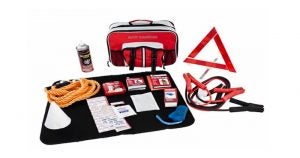
car emergency kit

6 Must-Have Items for Your Car Emergency Kit

You never know what might happen when you're out on the road. It doesn't matter what time of year it is or where you live, things happen, and you could someday find yourself stuck on the side of the road. While roadside assistance will help you get out of many situations, you should always prepare for the worst. Here are some must-have items for any car emergency kit. A Fully Charged Cellphone Keeping a phone in your car won't do you any good if you can't use it. Keep your phone charged at all times so you have it when you need it. This might mean charging it before you leave the house or keeping a charging cord in your vehicle so you can power it up while you drive. It's also a good idea to keep a portable charger in the car. You can use this if your vehicle and your phone run out of juice. more Blankets and Extra Cold Gear For those who drive in a cold and snowy area, blankets are a must have in your car. If you need to wait for help, you'll want a way to keep warm. In dire situations, blankets can even be a lifesaver. You should also keep mittens or gloves and an extra jacket or sweatshirt in the car. A Flashlight Always make sure your emergency kit has a working flashlight and extra batteries. If you need to see outside of the car at night, a flashlight is an essential tool. Choose a high-powered one if possible and check it regularly to confirm that it works. A First Aid Kit A fully-stocked first aid kit will help if you get injured while on the road. You can pack up individual items on your own or just purchase a small first aid kit that will fit in your emergency bag. The kit should include several sizes of band-aids, antiseptic cleansing wipes, scissors, sterile gauze pads, first aid tape, and an instant ice pack. It should also have an ace bandage, bug spray, and aspirin or ibuprofen. Bottled Water and Food You never know how long you could be stuck before help arrives, so it's important to have some food and water. Bottled water will keep in your car for a long time, and if you pack up granola bars or high protein energy bars, they could keep you from going hungry while you wait. Seasonal Supplies Pack seasonal items in your car. In the winter, for example, keep a shovel and an ice scraper along with sand or kitty litter. In the warmer months, you'll want to have an umbrella, rain gear, and extra clothes in case you get wet. You can use these if you have to walk anywhere in the rain to find help. You can't always avoid a breakdown or an emergency, but you can prepare for one. Stock up on these items and keep them in your car so you'll be ready to handle almost anything. Image via Flickr by moneymetals

pumping gas

How to Get Better Gas Mileage

Rath Auto Resources knows cars. And, we know we all love saving money. That's why we put together a list of the best ways to get better gas mileage. Make it easier on your car and your wallet by following these tips. 1. Slowing Down This is one of the best tactics you can use to get better gas mileage. The faster you drive, the more wind resistance your car must fight against. This force increases exponentially when you drive at speeds higher than 55 miles per hour. Give your engine a "brake" by slowing down. more 2. Turning the Engine Off Don't let your engine run if you're not going anywhere. Idling is one of the best ways to lose fuel efficiency. Some say that the engine uses more fuel to start than it uses while it's idling. Those people are wrong. Starting your engine takes less fuel than idling for one minute. Turn the engine off and save some gas. 3. Replacing Air Filters Air filters keep the air that your engine needs crisp and clean. When your air filter is dirty, your engine is dirty. When your engine is dirty, it has to work harder to perform, and this lowers your fuel efficiency. If you don't want to change your own air filters, ask your mechanic to check and replace them next time you take your car in for an oil change. 4. Using Cruise Control Cruise control is a game-changer, especially on highways. Use your cruise control feature liberally to save gas. Your foot is constantly shifting and changing on the gas pedal. Cruise control keeps your vehicle traveling at one speed, cutting out the intermittent accelerations your foot would accidentally make. Turn your cruise control off if you're trying drive up a hill. It won't be as effective or reactive as you are, but you can turn it back on once you're done climbing. 5. Turning Off A/C Using your car's air conditioning requires power that the vehicle could be using for its engine. When you can, turn your A/C off to use that energy to save fuel. If it's a hot day and you don't want to suffocate in your vehicle, this might not be an option. But, if you're driving through the city, roll your windows down. If you're on the highway, roll them up and use the A/C to decrease wind drag caused by the open windows. 6. Maintaining Your Car The best way to ensure that your car is getting the best gas mileage it can get is to make sure that it's getting the care it needs. Don't skimp on routine maintenance. This keeps your car running smoothly and efficiently. If you're using dirty oil, you're making more work for your engine. If your tire pressure is low, you're making it more difficult for your vehicle to get traction. If you take care of your car, it will take care of you. It will also save you money at the gas pump, and we can all use a little more of that. Image via Flickr by Jeepers Media

Defensive Driving Strategies - Rath Auto Resources NWA

Defensive Driving Tips

Driving is dangerous no matter how well you drive, and no matter where you live, work or play. Fortunately, there are things you can do to make it safer. Defensive driving includes strategies that go beyond the basics to help drivers be more proactive when they are behind the wheel. Follow these defensive driving tips to stay safer out on the road. Check the Road Ahead Defensive driving includes checking the road several cars ahead of you and not just the ones immediately around you. Quite often, accidents occur up to four and five cars ahead, and if you're not looking, you can end up being a part of it. Keep a lookout several cars ahead to see how they are driving, and watch for avoidable hazards. Defensive drivers will keep their eyes moving at all times and continuously scan for possible problems. more Identify Possible Problems As you look around, try to identify potential problems before they happen, and always be ready to act. For example, when you approach an intersection where the light is already green, keep in mind that it could change at any moment. Slow down before you get to the light, and prepare to stop. This will prevent you from having to make a split-second decision when you are the light and it suddenly turns yellow. Always Have a Way Out As you drive, always look for potential escape routes. Even if you are an excellent driver, there are others out on the road who are not. Many factors can change the driving situation in just a split-second, so you always need a way to avoid hazards. You can do this by making sure you never drive directly next to another car and always leave a buffer zone with room to stop. Keep Distractions to A Minimum You cannot drive defensively if your focus is not on the road. Put your phone down, eat and drink before you head out on the road, and make sure your passengers are calm and quiet. There are many distractions in vehicles these days with all the technology available that it is hard to focus just on driving. Make the effort to reduce and minimize the distractions in your car. Leave Plenty of Space Your focus should continuously shift from the car directly ahead of you to the car four or five cars ahead, and always make sure you leave plenty of room for stopping. The Three Second rule is a good rule of thumb when the conditions are dry. To check how far behind you're traveling from the car in front of you, count how long it takes you to reach a stationary object after the car in front of you has passed it. It should take at least three seconds. Follow these tips for defensive driving to help stay safer out on the road. You can't control the way others drive, but you can control what's happening in your car. Photo by osseous | cc BY 2.0

Prepare your car for fall - Rath Auto Resources NWA

Prepare Your Car for Fall

With the summer almost fully in the rearview, it's time to start thinking about fall. While leaf peeping and enjoying the last gorgeous weather before winter is a priority, don't forget about the vehicle that's been so good to you. Fall and winter in Arkansas are often harsh and unpredictable, which can lead to accidents, salt damage, and other incidents that can hurt your car. But with some preparation and a few tips, you can weather out the storm. Check Your Tires With scorching summer temperatures and driving unfamiliar roads on vacation, summer can do a number on your tires. Not only can this lead to underinflation or overinflation, but it can also wear the treads and the walls of your tires. During fall, the weather isn't so extreme, giving you a chance to check your tires before they get a winter workout. more To check your tires, you can employ the penny test, a visual inspection, or entrust a mechanic or tire professional. Because the weather can change rapidly in Arkansas during fall and winter, you might also want to consider switching from all-season or summer tires to winter tires to provide more grip. If you don't need tire replacement or you don't want to switch to winter tires, remember to at least get a tire rotation, preferably each season or at least once every 6,000 miles. This ensures that your tires wear evenly, promoting durability and longevity while reducing the risk of a blowout. Repair the Paint If you have chips in the exterior paint of your car, fall is the last time to fix them before they become a significant problem. When there's an opening in the paint, it leaves the metal frame of your vehicle open to autumn rains and winter weather. This can cause significant rust and corrosion that can spread quickly. Thankfully, fixing the problem is easy. With a repair kit from your local automotive store, you can touch up any blemishes and seal them off from moisture, keeping your car's body and paint in pristine condition. Wax the Exterior Road salt helps prevent ice and snow from gathering on roadways, but it also wreaks havoc on your vehicle's exterior. To combat the potential damage from salt, grab a bottle of wax and go to town on your car. While you want to do the entire exterior, pay careful attention to the areas where salt can build up, including the quarter panels, grille, front fascia, and around the wheels. Change the Wiper Blades According to leading manufacturers, your windshield wiper blades should be replaced every six months to a year, depending on their quality and usage. Because the weather is more volatile in winter, spring, and summer, fall is the ideal time to check the blades for rips and tears. When you're driving, you should also keep an eye and an ear out for your wiper blades streaking, squeaking, smearing, or chattering, as these are surefire signs it's time for a replacement. Through due diligence and following this checklist, your car will be ready for fall and winter while you eagerly await spring. Photo by BelindaMariepix | Licensed under cc BY 2.0

Ways to Improve your cars efficiency - Rath Auto Resources NWA

Ways to Make Your Car More Efficient

With global warming, an increase in greenhouse gases, and other environmental issues plaguing the world, making your car more efficient is just one way to fight the battle on your home turf. While older vehicles are often impervious to efficient upgrades, modern vehicles make it far easier to reduce your carbon footprint. If you're searching for ways to go green behind the wheel, here are a few suggestions to get you started. Ease Up on the Gas and the Brakes Whether you're angry or just have an insatiable urge to burn some rubber, accelerating rapidly and grinding to a halt can cause significant fuel consumption. When you accelerate quickly, your car sucks down fuel to supply power while it also combats increased drag. If you're coming up to a stop sign or a stoplight, braking heavily can also eat up more fuel than if you coasted to the stop. Ease up on the gas and the brakes, and you just might find yourself going a bit farther between fill-ups. more Remove the Dead Weight When you're driving around town, you might not think about the extra stuff you've stowed in the trunk or rear cargo area. However, just an extra 50 or 100 pounds can reduce your fuel economy by a few percentage points. This includes not only the rear of the car but also rooftop carriers that are ubiquitous for family vacationers. For medium-duty or heavy-duty vehicles like SUVs and pickups, you should also keep a watchful eye on the gross vehicle weight rating, the payload capacity, and the towing capacity. Each of these terms offers a finite limit of your vehicle's capabilities. Exceeding these numbers is not only inefficient but dangerous to the mechanical integrity of your truck or SUV. Inflate the Tires to the Correct Pressure A simple, foolproof way to save money at the pump is to inflate your tires to the correct pressure. Underinflated tires can adversely affect fuel economy by increasing friction and rolling resistance, resulting in more wear and tear and fuel consumption. Try to check your tire pressure at least once a month to ensure the tires are filled to the manufacturer's specifications. Consider Upgrading to an Alternative Fuel Vehicle If you drive an old gas guzzler or even a newer vehicle that's not exactly light on the gas usage, you might want to consider upgrading to an alternative fuel vehicle. With the latest advancements in alternative-fuel technology, hybrid vehicles and electric vehicles (EVs) are going farther than ever before. Hybrids can often go up to 50 mpg with minimal emissions, while EVs can often reach up to 100 miles on a single charge. In certain states, you may also be eligible for a tax credit of up to $7,500, which can offset a substantial portion of the purchase price. If you have the budget, upgrading to one of these vehicles is not only financially sound but also environmentally friendly. Armed with these tips, making your vehicle more efficient is easier than you ever thought possible. Just imagine all the things you can do with your savings. Photo by JeepersMedia | Licensed under cc BY 2.0

How to Check Your Tire - Rath Auto Resources NWA

How to Measure Tire Pressure

While many people are vigilant about filling up their car with gas and getting regular oil changes, they aren't as strict about checking their tire pressure. In fact, a majority of people don't know what it is or how to measure it. Reasons for Checking Tire Pressure There are many reasons it's important to check your tire pressure, including reducing the possibility of a flat tire or a blowout from occurring. Air pressure should be checked in the tires once a month to make sure everything looks okay. Tire pressure needs to be at the correct inflation level so the vehicle handles optimally, from everyday driving around town to needing to make an emergency maneuver suddenly. more Fuel economy is also negatively impacted when the air pressure isn't correct. It causes the rolling resistance to increase, which means it takes more energy, or gas, to propel the vehicle forward. The less rubber that's touching the road when you drive, the worse your vehicle's handling performance will be. The tires will also need to be replaced sooner than normal due to the unnecessary wear and tear they'll experience. How to Check Tire Pressure To check the tire pressure, an air pressure gauge is the easiest tool to use. They're only a few dollars and can be found in auto parts stores, gas stations, and the car section of department stores. If you're in a rush, you can probably just borrow one from a gas station attendant as well. You'll want to check what the recommended air pressure is for your vehicle by looking in the owner's manual or seeing if there's a label on the driver's side that states it. This number will be read in psi, or pounds per square inch. Pay attention to hot and cold pressure numbers, as these will be different based on whether the tires or cold or hot (from driving for a while first). Sometimes there will even be a number based on whether the car is being used for towing or how many passengers are in the vehicle. Also, note that the number found on the tire's sidewall is the maximum pressure and should not be mistaken for the correct inflation level. Unscrew the cap on the valve stem of the tire and put the round part over the stem. Push down hard enough so there's a seal and read what the number is. Adding Air to a Tire When you find tires that are low, go to a gas station to use the air compressor to fill the air up. Press the machine's valve down firmly over the stem and squeeze the handle to let air in. Check the air pressure several times throughout to make sure your tire doesn't get overinflated while you fill it up. If you're looking for a new or pre-owned vehicle, check out our selection at Rath Auto Resources! Photo by We have moved! Please visit /highwaysengland | Licensed under cc BY 2.0

Clean Car Tips in Springdale, AR | Rath Auto Resources NWA

Clean Car Tips and Tricks

Nothing beats the feel of a brand new car. The sleek glimmer of the paintwork, the pristine interior simply can't be matched. And you can't forget about that new car smell. It's inevitable that the shine will wear off eventually, but there are a few simple and easy ways to stave off the wear and tear and keep your motor looking as good as the day you bought it for as long as possible. Here are five tips to keep your car looking like new. Clean And Organize Get in the habit of doing a few simple things to keep your car clean and organized. Throw away the trash every time you get out. Give the interior a dust every month or so and wash the exterior every couple of weeks. Treat it to a wax and polish once a year, and keep your wheels well cleaned (strange as it sounds, a toilet brush is a great tool for this!). Beyond that, here are a few simple cleaning hacks: more A paintbrush or foam brush is the perfect tool for dusting your air vents. Olive oil is excellent for polishing the leather on your dash or seats. A spray water bottle and a window cleaning squeegee will quickly banish pet hair. Buff the clouds out of your headlights with a little water and toothpaste. Remove any residual grime that washing doesn't shift with a clay bar. Clean Or Replace Your Floor Mats Nothing makes your car look shabby more than worn out floor mats. If they're past help, replace them with new ones for an instant refresh. Alternatively, spray them with stain remover and put them through a washing cycle, or scrub them using upholstery cleaner. Consider getting weather-resistant rubber mats; they'll protect your carpet and prevent mold growth. Clean Your Windows Keep your windows clean inside and out to keep your visibility high and the exterior sparkling. Roll the windows down before you start to ensure you get the grime off the top, where it tends to build up. GooGone and a microfiber cloth is a great way to remove sticky stains and the goop that comes with having kids! Repair Any Dents and Scratches It's important to keep on top of any dents, dings, and scratches, especially if your car is made of metal. Repairing them promptly will prevent the buildup of rust and any further damage. Scratch repair pens are useful for touch-ups, but they will only work on the top layer of protective coating. If the scratch is in your actual paint, you may not have good results. Start A Regular Maintenance Schedule While car maintenance doesn't directly contribute to your car's appearance, a well-running motor is essential. By keeping your car in perfect working order, you will avoid accidents that might cause damage and other issues that can contribute to wear and tear. Change your oil regularly and replace your filters, brake discs, and tires. If you have an older car, you may also need to perform belt checks. A regular maintenance schedule will keep everything in tip-top condition, preserving the value of your car, while these simple cleaning tips will keep everything looking shiny and new. Photo by Paulo.hvo | Licensed under cc0 1.0

Contact Us

Fill out this form below and we'll contact you shortly
*Required Fields